Table of Contents
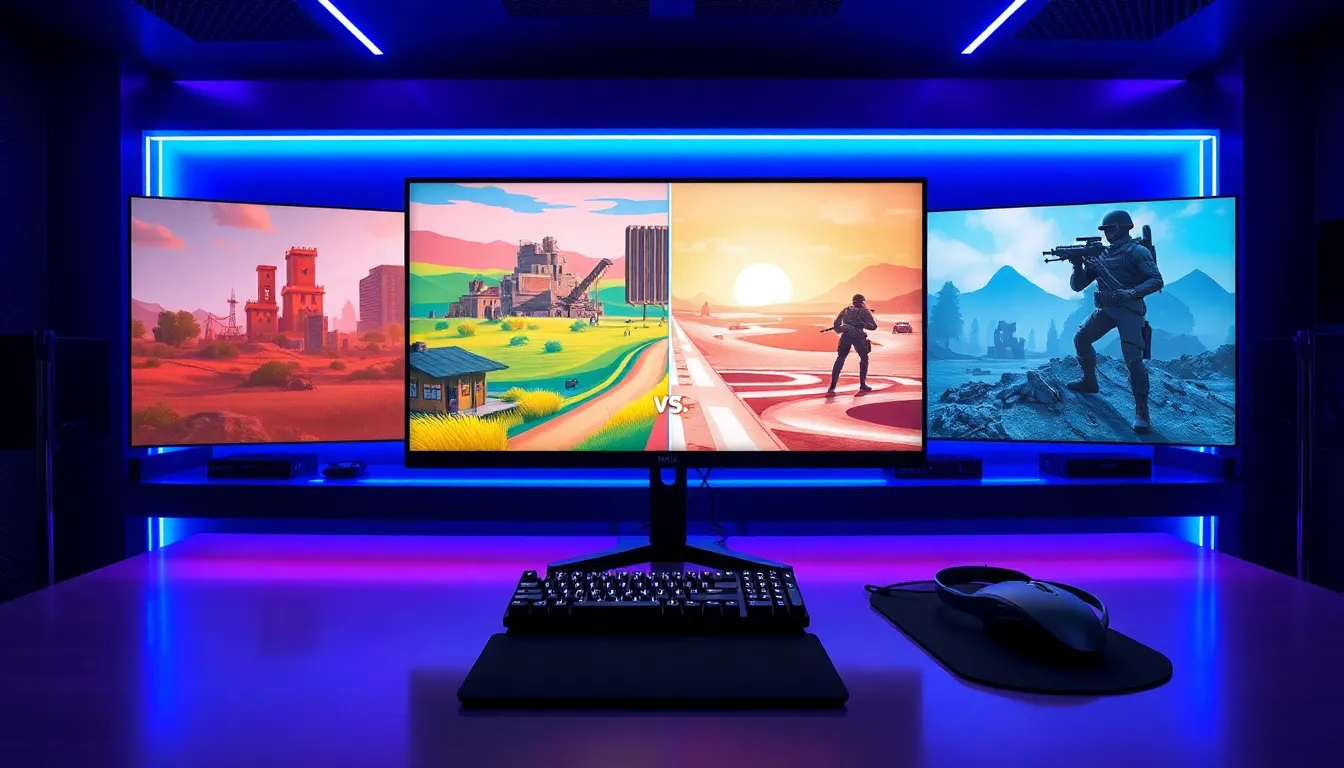
ToggleFortnite vs other battle royale games remains one of the most debated topics in gaming. Since its launch in 2017, Fortnite has dominated the genre with over 500 million registered players. But how does it stack up against competitors like Warzone, Apex Legends, and PUBG? Each game offers a unique experience, from building mechanics to realistic gunplay. This comparison breaks down the key differences to help players choose their ideal battle royale. Whether someone values creativity, competitive intensity, or tactical realism, understanding these games side by side reveals clear winners for different playstyles.
Key Takeaways
- Fortnite vs other battle royale games comes down to playstyle: building and creativity favor Fortnite, while realism suits Warzone or PUBG.
- Fortnite’s free-to-play model, cross-platform support, and low hardware requirements make it the most accessible battle royale option.
- Apex Legends offers the best team-based gameplay with hero abilities and industry-leading movement mechanics.
- Warzone appeals to Call of Duty fans who prefer realistic military combat and matches with up to 150 players.
- PUBG delivers authentic survival gameplay with realistic weapon physics but requires an upfront purchase on some platforms.
- Try each free-to-play option before committing, and consider which game your friends already play for the best experience.
What Makes Fortnite Stand Out
Fortnite separates itself from competitors through several distinctive features. The building mechanic remains its most defining element. Players can construct walls, ramps, and platforms instantly during combat. This system creates a skill ceiling that few games match.
The game’s visual style also sets it apart. Fortnite uses bright, cartoonish graphics that appeal to a broad audience. This aesthetic choice keeps the game accessible while allowing creative collaborations with major brands.
Speaking of collaborations, Fortnite excels at live events and crossovers. Marvel, Star Wars, and countless musicians have appeared in-game. These events create memorable moments that competitors struggle to replicate.
Fortnite operates on a free-to-play model with a Battle Pass system. Players spend money on cosmetics rather than gameplay advantages. This approach has generated billions in revenue while keeping the core experience fair.
The game also runs on virtually any platform. PC, console, mobile, and cloud gaming all support Fortnite. Cross-play functionality means friends can compete together regardless of their device. This accessibility gives Fortnite a significant advantage over platform-restricted competitors.
Regular content updates keep the experience fresh. Epic Games releases new weapons, map changes, and seasonal themes consistently. Players rarely feel like they’re playing the same game for long.
Fortnite vs Warzone
The Fortnite vs Warzone debate often centers on realism versus creativity. Warzone, developed by Activision, offers a grittier military shooter experience. It uses weapons and settings from the Call of Duty franchise.
Warzone features realistic gunplay with bullet drop and weapon attachments. Players who enjoy tactical, military-style combat often prefer this approach. The game rewards precision aiming and strategic positioning.
Map design differs significantly between these titles. Warzone uses larger, more realistic environments based on fictional war zones. Fortnite’s map changes dramatically each season, featuring everything from deserts to snow biomes.
The respawn systems also vary. Warzone introduced the Gulag, where eliminated players fight for a second chance. Fortnite offers Reboot Vans where teammates can bring back fallen squadmates. Both systems reduce frustration from early eliminations.
Player counts tell an interesting story. Warzone supports up to 150 players per match, creating intense final circles. Fortnite typically hosts 100 players but compensates with its building mechanics for added chaos.
Warzone requires more storage space and higher system specs. Players with older hardware may find Fortnite runs more smoothly. This technical difference affects which game works better for budget-conscious gamers.
Monetization follows similar paths, though Warzone ties into the broader Call of Duty ecosystem. Players who already own other CoD titles may find more value in Warzone’s progression systems.
Fortnite vs Apex Legends
Fortnite vs Apex Legends represents a clash of movement philosophies. Apex Legends, created by Respawn Entertainment, emphasizes fluid character movement and team-based abilities.
Apex uses a hero-based system with unique legends. Each character possesses distinct abilities that affect team strategy. Fortnite treats all players equally, with building serving as the universal skill differentiator.
Movement in Apex feels faster and more dynamic. Sliding, climbing, and ziplines create constant momentum. Fortnite’s building provides vertical mobility but requires resource gathering and practice to master.
Team composition matters more in Apex. Combining legends with complementary abilities creates strategic depth. Fortnite squads succeed through communication and individual building skill rather than preset abilities.
The ping system in Apex revolutionized battle royale communication. Players can mark items, enemies, and locations without voice chat. Fortnite has adopted similar features, though Apex remains the gold standard.
Both games offer strong competitive scenes. Apex hosts the ALGS with substantial prize pools. Fortnite’s competitive events have distributed hundreds of millions in prizes since 2019.
Audio design favors Apex for competitive players. Footsteps and gunshots provide clear directional information. Fortnite’s audio has improved but still frustrates some players with inconsistent sound cues.
Visually, Apex strikes a middle ground between Fortnite’s cartoon style and Warzone’s realism. This aesthetic appeals to players who want something slightly more mature without full military simulation.
Fortnite vs PUBG
The Fortnite vs PUBG comparison holds historical significance. PUBG essentially created the modern battle royale genre. Fortnite’s Battle Royale mode launched shortly after, sparking early controversy.
PUBG prioritizes realistic survival gameplay. Weapons behave like their real-world counterparts. Bullet physics, attachment systems, and vehicle handling all aim for authenticity.
Match pacing differs substantially. PUBG games often last longer with slower, more methodical gameplay. Fortnite matches move quickly thanks to the storm circle and building-enabled aggression.
PUBG offers multiple large maps with distinct environments. Players can choose their preferred battleground. Fortnite focuses on a single evolving map that changes seasonally.
The learning curve in PUBG feels steeper for gunplay but lacks building complexity. New Fortnite players must learn construction alongside shooting. PUBG players focus purely on positioning and aim.
PUBG maintains strong popularity in Asian markets, particularly Korea and China. Fortnite dominates Western regions and streaming platforms. These regional preferences reflect different gaming cultures.
Technical performance has historically favored Fortnite. PUBG launched with significant optimization issues that took years to address. Modern PUBG runs better but still requires decent hardware.
PUBG charges an upfront purchase price on some platforms, while Fortnite remains completely free. This barrier affects player acquisition, especially among younger audiences.
Which Game Should You Play
Choosing between Fortnite vs its competitors depends on personal preferences. Several factors help determine the best fit.
Pick Fortnite if creativity and accessibility matter most. The building system offers unmatched skill expression. Cross-platform play means everyone can join regardless of their device.
Choose Warzone for realistic military combat. Players who enjoy Call of Duty’s gunplay will feel at home. The larger player counts create intense endgame scenarios.
Select Apex Legends for team-focused gameplay with abilities. The movement system rewards mechanical skill. Hero selection adds strategic variety to each match.
Opt for PUBG when seeking authentic survival experiences. The slower pace suits tactical players. Realistic weapon handling appeals to simulation enthusiasts.
Consider hardware limitations when deciding. Fortnite runs on almost anything, including mobile devices and Nintendo Switch. Warzone and PUBG demand more powerful systems.
Think about your social circle too. Playing the same game as friends enhances the experience significantly. The best battle royale is often whichever one your squad prefers.
Try each game before committing. Fortnite, Apex, and Warzone all offer free-to-play options. Spend a few hours in each to discover which mechanics feel most satisfying.