Table of Contents
ToggleThe Fortnite Item Shop is where cosmetics live and die. Every single day, at 00:00 UTC, the shop refreshes with a fresh lineup of skins, emotes, pickaxes, wraps, and more, and if you’re not paying attention, you’ll miss out on returning rarities or must-have collabs. Whether you’re hunting for that one skin that disappeared six months ago or just trying to stretch your V-Bucks wisely, understanding how the shop works separates smart buyers from impulsive ones. This guide walks through the mechanics, rotation patterns, pricing strategies, and community tools that’ll help you navigate the Fortnite Item Shop like a veteran.
Key Takeaways
- The Fortnite Item Shop refreshes daily at 00:00 UTC with Featured items lasting multiple days and Daily items rotating every 24 hours, so timing your purchases strategically can help you catch rare cosmetics before they leave.
- Third-party trackers like fnbr.co reveal shop history and rarity return timelines, making it easier to identify when discontinued skins reappear instead of missing limited-time drops.
- Battle Pass exclusives never return to the Fortnite Item Shop, but non-Battle Pass cosmetics have a good chance of rotating back, so patience and monitoring are key to securing grail skins.
- Bundle pricing often provides better value than buying cosmetics individually, so comparing package costs against solo prices can stretch your V-Bucks further.
- Avoid impulse purchases by using tracker wishlists and watching shop patterns for a few days before committing, since many popular skins rotate monthly and will likely return soon.
- Earning V-Bucks through the Battle Pass offsets future cosmetic spending, whereas purchasing from unauthorized resellers risks account bans and scams.
What Is The Fortnite Item Shop and How Does It Work
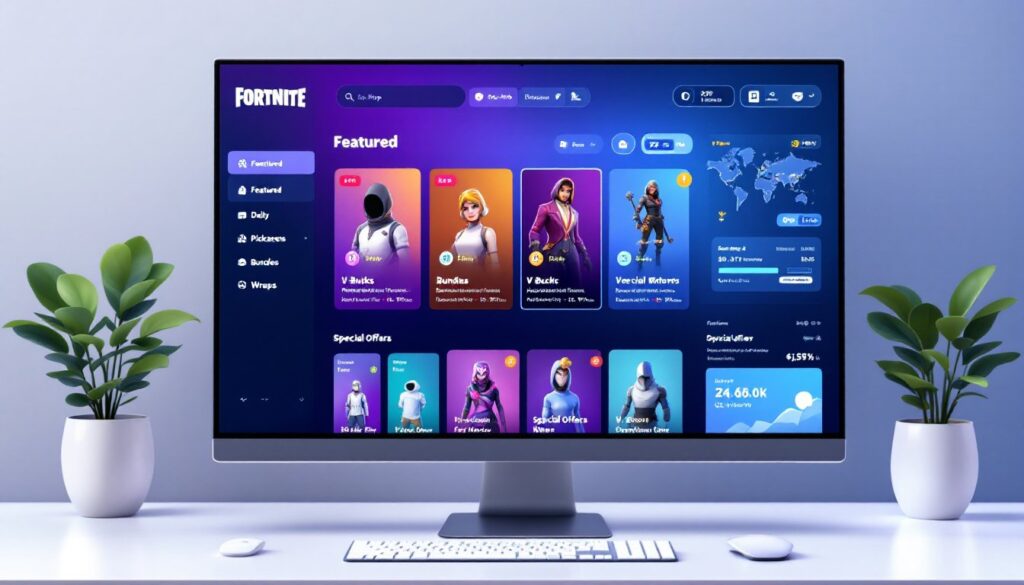
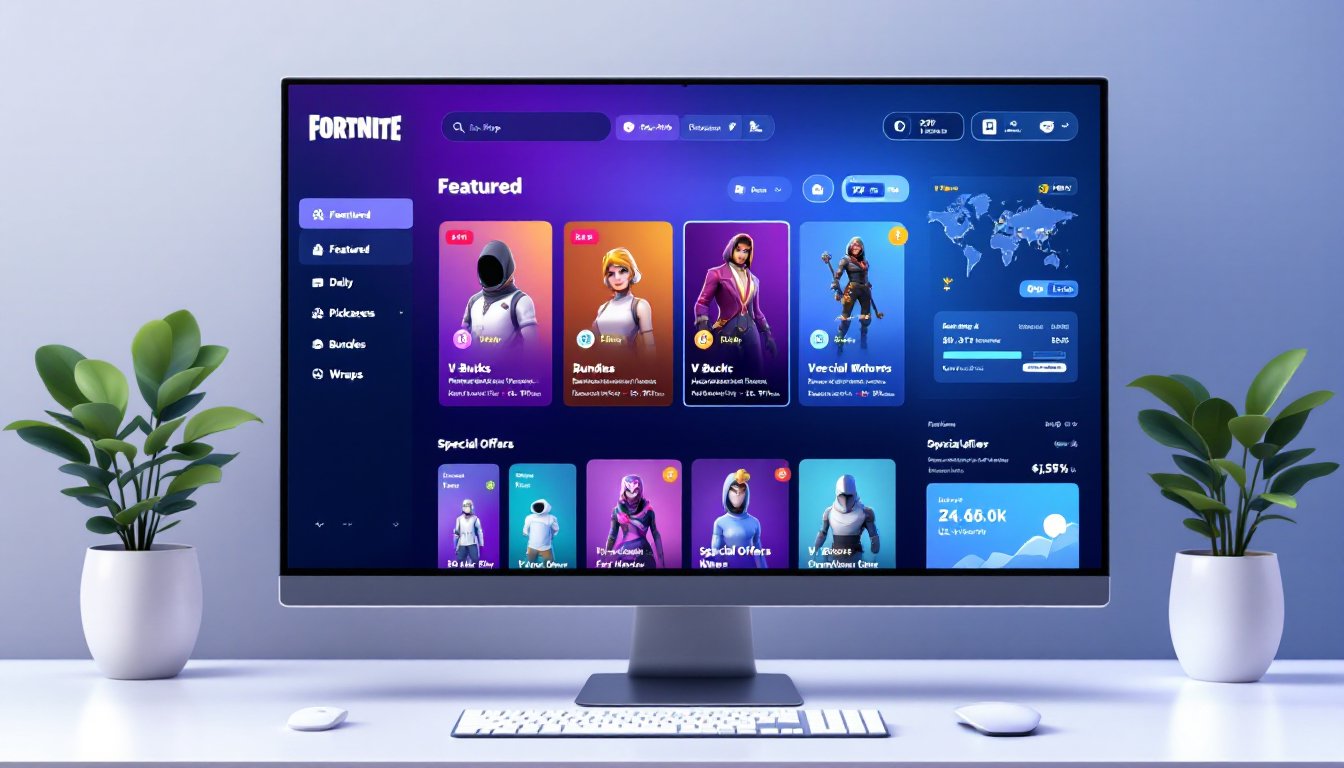
The Fortnite Item Shop is the in-game cosmetic marketplace accessible both in-client and at fortnite.com/item-shop. It’s where players drop V-Bucks to buy outfits, back blings, pickaxes, emotes, wraps, gliders, and music packs, all purely cosmetic with zero gameplay advantage. The shop is organized into tabs: Featured (higher-profile items lasting multiple days), Daily (24-hour rotations of mid-tier cosmetics), Bundles (bundled packages at better prices), Special Offers, and event-specific sections tied to collaborations or themed drops.
Every item in the shop is cosmetic-only. A legendary skin might look cooler than a rare one, but they perform identically in matches. Epic Games deliberately keeps cosmetics non-functional to maintain competitive integrity. The shop interface itself shows item previews, pricing, rarity tier, and a countdown timer for when items leave. New players sometimes mistake the Item Shop for a loot system, but it’s purely optional spending, you never need cosmetics to play competitively or even casually.
Understanding Daily Rotations and Shop Refresh Times
The Fortnite Item Shop refreshes once every 24 hours at exactly 00:00 UTC (midnight UTC). That’s the global reset moment when the current Featured and Daily tabs flush out and new items roll in. On each refresh, items can leave entirely, stick around for another day or longer, or get replaced by newcomers or returning cosmetics.
Featured and Daily sections follow different cadences. Daily items typically stick for one 24-hour cycle before cycling out. Featured items, by contrast, commonly stay for multiple days, sometimes three, sometimes five, occasionally longer for major collabs. Event tabs tied to limited-time collaborations (Marvel, DC, anime crossovers, etc.) operate on their own timers but still respect the 00:00 UTC reset window. No exceptions: the shop always ticks over at midnight UTC, whether it’s a Tuesday or holiday.
Featured Items vs. Daily Featured Section
Daily items rotate in and out every 24 hours. They’re a rotating stock of lower to mid-tier cosmetics, solid skins, popular emotes, affordable pickaxes, aimed at keeping the shop fresh and giving returning players new options every day.
Featured items anchor the shop for multiple days. These are the premium, newly released, or historically rare drops that Epic wants visibility. A brand-new collab skin might featured for five days to maximize exposure. Older, returning skins featured for a day or two.
Special sections (Icon Series, limited bundles, event tabs) behave like mini-featured tabs with their own durations. A Star Wars event tab, for instance, might cycle every few days independently of the main Featured section. Tracking each tab’s timer individually prevents you from missing an expiry.
How to Find Rare and Discontinued Skins in the Shop
Epic Games does not publish a public schedule for future shop rotations. They’ve stated the Item Shop “constantly rotates items,” and cosmetics that leave “may return later.” That vagueness is intentional, Epic keeps its rotation algorithm internal for strategic reasons.
But, not all cosmetics return. Battle Pass exclusives (Chapter and Season specific) never hit the Item Shop again: they’re locked to their respective pass tier. Some promotional skins tied to hardware bundles (like Galaxy or exclusive mobile pack skins) never reappear. But non-Battle Pass cosmetics that have appeared in the shop before almost always have a shot at returning.
To hunt rare, returning skins, use third-party trackers like fnbr.co or fortnite.gg. These sites maintain complete shop history for every cosmetic ever sold, including “last seen” dates and return frequency. If a skin hasn’t appeared in 200+ days, fnbr.co will flag it. Some players use these trackers with wishlists to monitor their grail skins and get notified when they rotate back. Check official Fortnite social channels and news posts for announcements of major collab returns, when a blockbuster IP returns (like Cowboy Bebop in Fortnite:), Epic usually signals it beforehand.
Truly discontinued items exist, but they’re the exception. Battle Pass cosmetics are locked. Promo packs tied to real-world events or hardware that have concluded are gone. Most everything else? Keep patience and check back monthly.
Tips for Maximizing Your V-Buck Spending
V-Bucks are Fortnite’s currency, earned through the Battle Pass or purchased with real money. Spending wisely matters because cosmetics don’t go on sale, prices are fixed.
Prioritize rare returns and non-repeating items. If fnbr.co shows a skin last appeared 18 months ago or features a collaboration you loved, grab it. Collabs cycle less frequently than originals, and some don’t return at all. Compare bundle pricing: if a three-skin bundle costs 2,800 V-Bucks but the skins individually total 3,000 V-Bucks, the bundle saves 200 V-Bucks.
Avoid impulse buys. Use tracker wishlists and spend a few days watching the shop before committing. Some skins return monthly: others take months. Patience is free. If a skin has appeared twice in the past 30 days, it’ll likely show again soon.
Earn V-Bucks instead of buying them when possible. The Battle Pass grants V-Bucks back through tiers, partially offsetting the $9.99 initial cost. Complete it, and you’ll recover enough to buy the next season’s pass plus a cosmetic or two.
Avoid third-party V-Buck sellers. Epic explicitly warns against unofficial resellers. Scams and account bans are real risks. Buy V-Bucks in-game or through authorized platforms (PlayStation, Xbox, etc.).
Gamers on Game8 and other community hubs regularly discuss meta cosmetics and bundle value. A 2,000-person bundle with three high-tier skins often outvalues three 1,200-V-Buck solos by sheer utility.
Predicting Upcoming Item Shop Rotations
No public tool predicts future Item Shop rotations with certainty. Epic keeps the algorithm locked down, stating only that the shop “constantly rotates” and items have a “good chance” of returning eventually.
Community prediction relies on historical patterns. Using fnbr.co and fortnite.gg shop history, players track which skins rotate together, average gaps between appearances, and seasonal trends. For example, Halloween skins cluster in October: most don’t appear again until the following year. Fortnite Halloween Skins: The are predictable by season.
Collab timing is more precise. When Epic announces a partnership, say, a Padme Fortnite Skin: Everything, the cosmetics typically enter the shop around the event or media release date. Competitive skins tied to FNCS tournaments often rotate close to tournament dates.
No community prediction is guaranteed. All forecasts are probabilistic models built on incomplete data. GameSpot’s breakdown of Item Shop behavior highlighted how Epic sometimes introduces unpredictable rotations or skips expected drops to keep the economy dynamic. The best strategy remains using Fortnite Tools: Essential Resources to Improve Your Gameplay to monitor history and stay plugged into official announcements.
Conclusion
The Fortnite Item Shop refreshes daily at 00:00 UTC with a mix of cosmetics spread across Featured, Daily, and special event tabs. Epic keeps rotation rules internal, but third-party trackers and official announcements give players enough data to identify rare returns, value bundles, and avoid impulse buys. No prediction model is bulletproof, but armed with shop history, patience, and smart V-Buck strategy, you’ll make every cosmetic purchase count.