Table of Contents
ToggleOn April 23, 2020, over 12.3 million players logged into Fortnite simultaneously to witness something the gaming world had never seen before. Travis Scott, towering at what appeared to be hundreds of feet tall, performed a concert that bent reality itself, literally. Players flew through underwater sequences, watched the island transform into a kaleidoscopic dreamscape, and experienced a setlist that made them question whether they were playing a battle royale or attending a festival on another planet.
The Astronomical event wasn’t just a concert: it was Epic Games flexing every technical muscle they had. It became the blueprint for every virtual event that followed, setting attendance records that still haven’t been broken and proving that in-game experiences could rival real-world spectacles. Whether you caught it live back in 2020 or you’re trying to understand what all the hype was about, this guide breaks down everything that made the Fortnite Astroworld collaboration revolutionary, and what legacy it left behind.
Key Takeaways
- The Fortnite Astroworld Astronomical event drew 12.3 million concurrent players on April 23, 2020, breaking records and proving virtual concerts could rival real-world spectacles in scale and cultural impact.
- Fortnite Astroworld featured groundbreaking visual innovations including dynamic environment transformations, volumetric effects, and gravity manipulation that required six months of development on Unreal Engine 4.
- Travis Scott’s real-world Astroworld Festival inspired the in-game event’s psychedelic aesthetic, sense of immersion, and controlled chaos, with the collaboration blurring lines between gaming and music industry marketing.
- The event included exclusive cosmetics like the Travis Scott outfit and Astro Jack skin, while free rewards such as the Astroworld Cyclone Glider remained exclusive to players who participated during the challenge period.
- Astronomical revolutionized virtual concert experiences by demonstrating synchronized global experiences, interactive guided performance, and cross-promotional music debuts that became industry standards adopted by other platforms.
- While the original Astronomical experience cannot be replayed, the Travis Scott skins periodically return to the Item Shop every 6-8 months, with the next potential appearance expected around mid-2026.
What Was the Fortnite Astroworld Event?
The Astronomical event ran from April 23-25, 2020, with five separate showtimes to accommodate players across different time zones. Each show lasted approximately 10 minutes and featured Travis Scott performing tracks from his discography while the game world transformed around players in real-time.
The Astronomical Concert Experience Explained
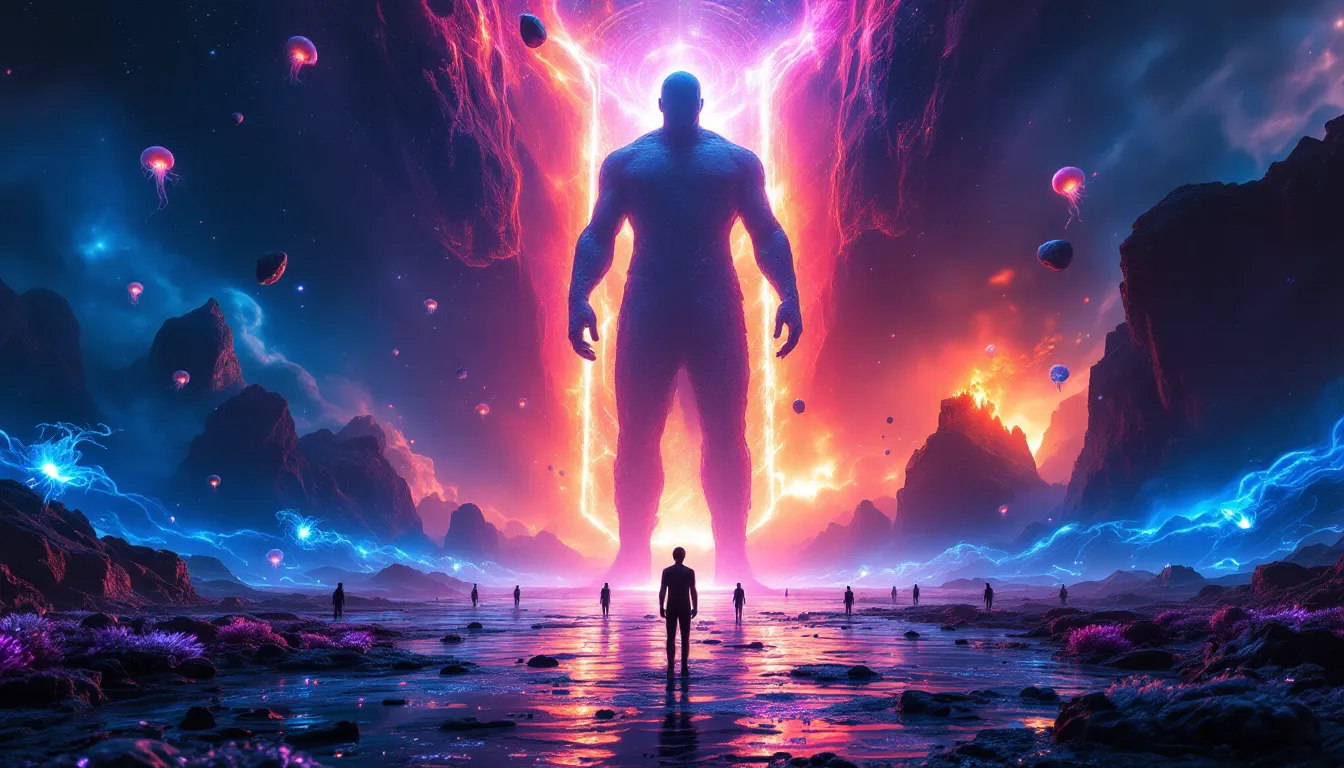
Players dropped into a special Astronomical playlist mode that disabled combat and building mechanics entirely. The experience began on a darkened version of the Fortnite map before Travis Scott emerged from a rift in the sky, growing to kaiju-sized proportions.
The concert progressed through distinct visual sequences tied to each song. During “SICKO MODE”, players descended underwater, surrounded by neon jellyfish and abstract shapes. The “STARGAZING” segment transported everyone to a cosmic void filled with planets and asteroid fields. One of the most talked-about moments came during “HIGHEST IN THE ROOM”, when the entire island caught fire and players flew through a burning landscape.
Each transition felt seamless, with the game automatically guiding player cameras and movement to ensure everyone experienced the same choreographed moments. Players had limited control, they could jump, emote, and move around, but the event’s pacing was locked to keep everyone synchronized.
How Travis Scott’s Astroworld Festival Inspired the In-Game Event
Travis Scott’s real-world Astroworld Festival, which launched in 2018 in Houston, was known for its elaborate stage designs and immersive production values. The festival took its name from Scott’s 2018 album Astroworld, which itself referenced the defunct Six Flags AstroWorld theme park that closed in 2005.
Epic Games drew heavily from that aesthetic, psychedelic visuals, larger-than-life scale, and the sense of being transported to another dimension. The in-game event captured the festival’s ethos of controlled chaos and sensory overload but translated it into a digital space where physics and reality were optional. While the event was officially named “Astronomical,” fans and media quickly dubbed it the “Fortnite Astroworld” event due to the clear thematic connections to Scott’s brand and festival.
Breaking Down the Astronomical Event: What Made It Revolutionary
Record-Breaking Attendance and Player Participation
The first showing on April 23 at 7 PM ET drew 12.3 million concurrent players, a record that still stands as one of the highest concurrent player counts for any Fortnite live event. Across all five showtimes, Epic Games reported that 27.7 million unique players experienced the event, with a total of 45.8 million views when counting players who attended multiple shows.
These numbers dwarfed previous in-game concerts. Marshmello’s February 2019 concert, which had been considered groundbreaking at the time, peaked at 10.7 million concurrent viewers. The Astronomical event proved that virtual events in battle royale games could achieve mainstream cultural relevance on a scale that rivaled traditional media broadcasts.
Groundbreaking Visual Effects and Stage Design
The technical achievement of Astronomical can’t be overstated. Epic Games synchronized millions of players simultaneously across multiple servers, ensuring everyone saw the same visuals at the same moment, a feat that required custom netcode and months of optimization.
Key visual innovations included:
- Dynamic environment transformations: The island morphed from normal to underwater to space to a burning hellscape, all without loading screens
- Volumetric effects: Particle systems, fog, and lighting created atmosphere that felt cinematic rather than game-like
- Scale manipulation: Travis Scott shifted from normal size to giant to cosmic proportions, with players’ perspectives adjusting accordingly
- Gravity alterations: Players floated, flew, and fell in sequences that defied the game’s normal physics
The event ran on Unreal Engine 4, leveraging Epic’s own tools to push what was possible in a live multiplayer environment. According to reports from GameSpot, the development team spent nearly six months creating the experience, which required custom animation systems and new audio integration methods.
The Full Setlist and Song Performances
Travis Scott performed five tracks during the 10-minute experience:
- “SICKO MODE” (with underwater sequence and neon visuals)
- “STARGAZING” (space/cosmic void segment)
- “Goosebumps” (players flew through a rollercoaster-like track)
- “HIGHEST IN THE ROOM” (fire and destruction theme)
- “The Scotts” featuring Kid Cudi (debut of unreleased track)
The debut of “The Scotts” was particularly significant, players heard the track days before it officially released on streaming platforms. This made Astronomical not just a virtual concert but a legitimate album launch event, blurring the lines between gaming and music industry marketing.
Exclusive Astroworld Cosmetics and Rewards
Travis Scott Skins and Outfits Available During the Event
Epic Games released the Travis Scott Bundle in the Item Shop on April 21, 2020, two days before the first show. The bundle included:
- Travis Scott Outfit: The base skin featuring Scott in his signature look with multiple built-in emote variations
- Astro Jack Outfit: An alternate skin with a cyberpunk astronaut aesthetic and glowing elements
Both skins were Legendary rarity and priced at 1,500 V-Bucks individually or 2,500 V-Bucks for the full bundle. The Travis Scott skin featured a unique Rage emote that transformed the character’s eyes to glow red, one of the first built-in emotes that altered a skin’s appearance dynamically.
Free Rewards and How Players Earned Them
Epic Games offered several free cosmetics to players who participated in the Astronomical event. Anyone who logged in and completed the Astronomical Challenges received:
- Astroworld Cyclone Glider: A psychedelic glider with swirling colors
- Two loading screens: Featuring artwork from the event
To unlock these rewards, players needed to complete simple tasks like visiting specific locations on the map or dancing at designated spots. The challenges went live on April 21 and remained active through April 27, giving players multiple days to finish them.
Also, players who attended any of the five live showtimes received the Travis Scott Astronomical spray and emoticon automatically added to their lockers.
Limited-Edition Emotes, Gliders, and Pickaxes
The Item Shop during the event week featured several additional cosmetics:
- Goosebumps Emote: An animated emote synced to the song’s beat (500 V-Bucks)
- Astro Axe Pickaxe: A futuristic harvesting tool with glowing effects (800 V-Bucks)
- Travis Scott Bundle accessories: Back bling items tied to both outfits
The entire cosmetic collection emphasized neon colors, space themes, and psychedelic aesthetics that matched the event’s visual language. These items became some of the most sought-after cosmetics in Fortnite’s history due to their association with a record-breaking cultural moment.
How to Access and Experience Astroworld Content in 2026
Can You Still Get Astroworld Skins and Items?
As of March 2026, players cannot replay the original Astronomical event. Like all Fortnite live events, it was a one-time experience tied to specific dates and servers. The event playlist was removed after April 25, 2020, and Epic Games has not recreated it in any permanent game mode.
But, some players have recreated approximations of the experience using Fortnite Creative mode and Unreal Engine for Fortnite (UEFN). These fan-made versions lack the synchronized server-wide effects and official audio licensing but attempt to capture the visual sequences. You can find these experiences by searching for “Astronomical” or “Travis Scott” in the Creative mode discovery screen, though quality varies significantly.
When the Travis Scott Bundle Returns to the Item Shop
The Travis Scott and Astro Jack skins periodically return to the Item Shop, though not on a predictable schedule. Epic Games typically brings them back during major updates or when Travis Scott has new music releases.
Based on tracking from Fortnite item shop databases, the skins have returned approximately every 6-8 months since 2020. The most recent return was in November 2025, suggesting the next appearance could be around mid-2026.
If you missed the original event rewards (Astroworld Cyclone Glider, loading screens), those will not return. Epic Games has maintained that event-specific free rewards remain exclusive to players who participated during the challenge period. Only the paid cosmetics from the Item Shop rotate back into availability.
The Cultural Impact of Fortnite’s Astroworld Collaboration
How It Changed Virtual Concerts and Gaming Events
Astronomical proved that gaming platforms could serve as legitimate venues for music industry events, not just promotional tie-ins. The success prompted a wave of virtual concerts across multiple games and platforms throughout 2020-2021, particularly as the COVID-19 pandemic shut down live venues.
The event demonstrated several key innovations that became industry standards:
- Synchronized global experiences: Solving the technical challenge of millions watching simultaneously
- Interactive but guided: Giving players freedom within a choreographed experience
- Cross-promotional value: Debuting new music to a massive, engaged audience
- Monetization without paywalls: Keeping the core experience free while offering cosmetics for purchase
Major artists and their labels took notice. Within months, platforms like Roblox, Minecraft, and Pokémon GO launched their own virtual concert initiatives. But, none matched the scale or technical sophistication that Fortnite’s live events had achieved.
Comparing Astroworld to Other Fortnite Music Events
Fortnite has hosted several major music events, each pushing different boundaries:
Marshmello Concert (February 2019)
- 10.7 million concurrent viewers
- First major in-game concert in Fortnite
- Simpler visuals focused on stage production
- Proved concept viability but stayed within game’s normal aesthetic
Travis Scott Astronomical (April 2020)
- 12.3 million concurrent viewers, 27.7 million unique participants
- Reality-bending visuals that broke game physics
- Multiple showtimes for global access
- Set the gold standard for technical ambition
Ariana Grande Rift Tour (August 2021)
- Approximately 78 million total participants across five showtimes
- More interactive elements (flying, collecting objects)
- Built on Astronomical’s foundation with even more visual variety
- Longer duration (15 minutes vs. 10)
Metallica Fuel. Fire. Fury. (June 2024)
- Introduced branching paths and player choice
- First rock/metal-focused concert event
- Combined Battle Stage mode with traditional performance
- Lower concurrent attendance but strong engagement metrics
While Ariana Grande’s Rift Tour eventually surpassed Astronomical in total participation, Travis Scott’s event is still widely considered the most influential. It was the first to prove that virtual experiences could match real-world events in scale and impact, arriving at a cultural moment when people desperately needed shared experiences during lockdowns.
Behind the Scenes: Creating the Astronomical Experience
Epic Games and Travis Scott’s Creative Partnership
The collaboration between Epic Games and Travis Scott began in late 2019, months before the event’s April 2020 premiere. According to interviews with Epic’s creative team, Scott was heavily involved in the creative direction, providing feedback on visual concepts and setlist pacing.
Scott’s team, including creative director Cactus Jack and production partners from his live tours, worked with Epic’s event designers to translate his stage aesthetic into Fortnite’s visual language. The result blended Scott’s brand identity with Epic’s technical capabilities, neither side dominated, creating something that felt authentic to both.
The partnership extended beyond just the concert. Travis Scott appeared in promotional materials, social media campaigns, and even a limited McDonald’s meal deal that cross-promoted the event. This multi-platform approach demonstrated how gaming collaborations could amplify reach beyond just players.
Technical Challenges and Innovation in Event Production
Creating Astronomical required solving problems Fortnite’s engine wasn’t originally designed to handle. The development team faced several major technical hurdles:
Server Synchronization: Ensuring 12+ million players saw identical visuals at precisely the same time required custom netcode. Epic implemented a system that pre-loaded event assets days in advance through game updates, then triggered them server-side at exact timestamps.
Audio Integration: The music needed to sync perfectly with visuals across different player latencies. Epic developed a buffer system that prioritized audio timing, letting individual clients adjust visual rendering slightly if needed to maintain sync.
Performance Optimization: Running intensive particle effects, lighting changes, and asset transformations while maintaining stable frame rates across platforms (PC, PS4, Xbox One, Switch, mobile) required extensive optimization. The team reduced background rendering, temporarily disabled certain game systems, and used aggressive level-of-detail scaling.
Capacity Planning: Spinning up enough server instances to handle unprecedented concurrent player counts meant coordinating with cloud infrastructure providers weeks in advance. Epic reportedly doubled their normal server capacity and implemented dynamic scaling that could spin up additional instances if attendance exceeded projections.
These innovations fed directly into Epic’s work on Unreal Engine 5 and set the foundation for future live events, both in Fortnite and in other developers’ games using Epic’s technology.
Player Reactions and Community Highlights
Most Memorable Moments from the Live Event
Players and streamers captured countless memorable moments during Astronomical. Some of the most shared clips and reactions included:
The Underwater Dive: When Travis Scott initiated “SICKO MODE” and players suddenly plunged underwater surrounded by glowing jellyfish, social media exploded. The transition was so sudden that many players initially thought it was a glitch.
Giant Travis Scott Stomping: Seeing a colossal Travis Scott walk across the map while players flew around him created scale-defying moments that looked surreal in screenshots and video clips. Several clips of his foot nearly crushing groups of players went viral.
The Island on Fire: During “HIGHEST IN THE ROOM,” when the entire map ignited and players flew through flames, reactions ranged from awe to genuine surprise. Some players reported feeling genuinely uneasy at the apocalyptic imagery, which showed how effective the immersion was.
First Listen to “The Scotts”: Music fans specifically logged in to hear the unreleased track debut. The moment it started playing, Discord servers and Twitter lit up with reactions, effectively turning Fortnite into a music release platform.
Major streamers like Ninja, Tfue, and Pokimane streamed the event live to hundreds of thousands of viewers on Twitch and YouTube, extending the audience far beyond the 12.3 million in-game participants. Ninja’s stream alone peaked at over 400,000 concurrent viewers.
Fan Creations and Community Content Inspired by Astroworld
The Astronomical event sparked a wave of community creativity that lasted months:
Creative Mode Recreations: Within weeks, talented creators began building approximations of the event in Creative mode. While these couldn’t replicate the synchronized server magic, they became popular destinations for players who missed the original or wanted to revisit the aesthetic.
Music Video Edits: Players recorded their perspectives and edited them into music videos set to Travis Scott’s full tracks. Some of these fan-made videos garnered millions of views on YouTube and TikTok.
Art and Fan Content: The event inspired thousands of fan art pieces, 3D renders, and concept art. Artists reimagined the event’s key moments in different styles, from anime adaptations to realistic digital paintings.
Memes and Social Commentary: The absurdity of a giant rapper destroying an island in a battle royale game spawned countless memes. Comparisons to kaiju movies, jokes about Travis Scott’s “final form,” and riffs on the underwater sequence became running gags in gaming communities.
The event even influenced gaming trends in subsequent years, with players expecting Epic to continuously raise the bar with each new collaboration and live event.
Conclusion
The Astronomical event remains a watershed moment in gaming history, proving that virtual experiences could achieve cultural impact on par with traditional media. Epic Games and Travis Scott didn’t just put on a concert inside a video game, they created a shared cultural experience that 27.7 million people participated in during a time when shared experiences were rare.
Six years later, the event’s influence is still visible in how gaming companies approach live events, music industry partnerships, and in-game storytelling. While you can’t replay the original Astronomical experience, its legacy lives on in every virtual concert, every reality-bending live event, and every time a game world transforms around players in ways that shouldn’t be possible.
For those who were there, it was a moment when Fortnite stopped being just a battle royale and became something bigger. For those who missed it, the event serves as a reminder that gaming experiences can be fleeting, communal, and utterly unforgettable, even if they only last 10 minutes.