Table of Contents
ToggleThe Fortnite Item Shop is where cosmetics happen, daily rotations of skins, emotes, back blings, and pickaxes that let players customize their appearance without touching gameplay balance. Whether you’re checking the fortnite item store right now or planning next week’s purchases, understanding how the shop works saves V-Bucks and prevents buyer’s remorse. The shop updates every 24 hours at 00:00 UTC, cycling inventory across in-game and web platforms. New players often miss that cosmetics are purely visual: they don’t buff stats or provide competitive edges. Veteran players hunt rare returns and seasonal collaborations. Both groups benefit from knowing pricing structures, bundle mechanics, and how account linking syncs purchases across platforms. This guide breaks down everything from daily rotations to refund policies so you can shop smarter.
Key Takeaways
- The Fortnite Item Shop updates daily at 00:00 UTC with rotating cosmetics across Featured and Daily sections, with Featured items staying visible longer and Daily items resetting every 24 hours.
- Cosmetics are purely visual and don’t affect gameplay balance or competitive advantages, making the Fortnite store a safe place to customize your appearance without impacting performance.
- Bundles offer the best value, saving 200–600 V-Bucks compared to individual purchases, while Starter Packs at $9.99 USD provide new players an excellent entry point into cosmetic collecting.
- Account linking synchronizes your cosmetics across all platforms (PC, PlayStation, Xbox, Nintendo Switch), so purchases on the in-game shop or fortnite.com Locker appear on all linked devices instantly.
- Limited refund tickets allow 30-day self-service refunds on unused cosmetics, but Battle Pass exclusives and consumed emotes become ineligible, so understanding refund policies prevents buyer’s remorse.
- Collaboration cosmetics from franchises like Marvel and DC rotate seasonally and often become collectible, making it worthwhile to track the shop’s Featured section for anticipated crossovers.
Understanding the Fortnite Item Shop Structure and Availability
The Fortnite Item Shop functions as a rotating cosmetic storefront updated daily at 00:00 UTC. Every 24 hours, most items rotate out, replaced by new skins, bundles, emotes, gliders, pickaxes, wraps, and loading screens. The inventory isn’t random, Epic Games strategically schedules returns of older cosmetics and features new collaborations with brands, IP franchises, and artists.
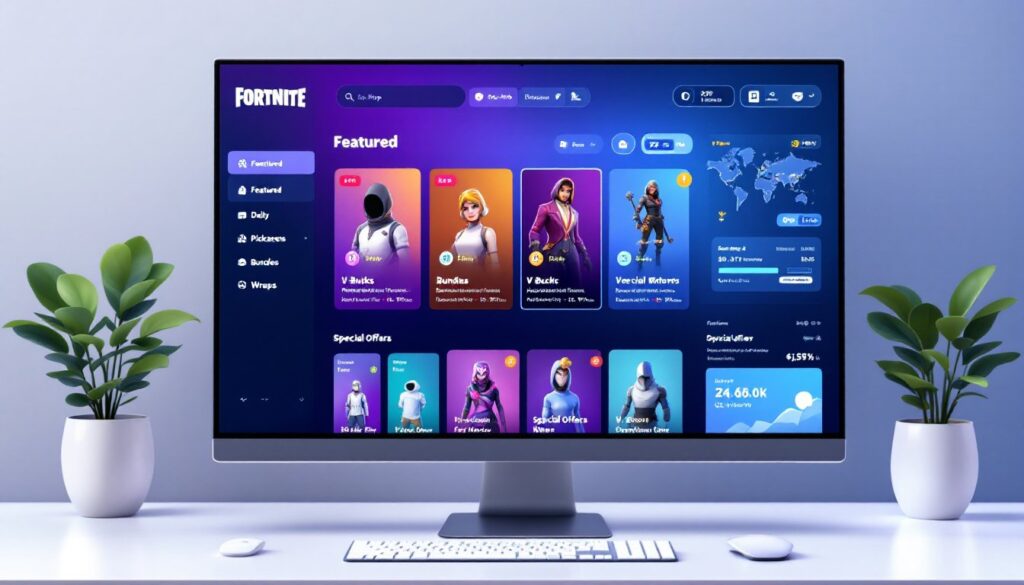
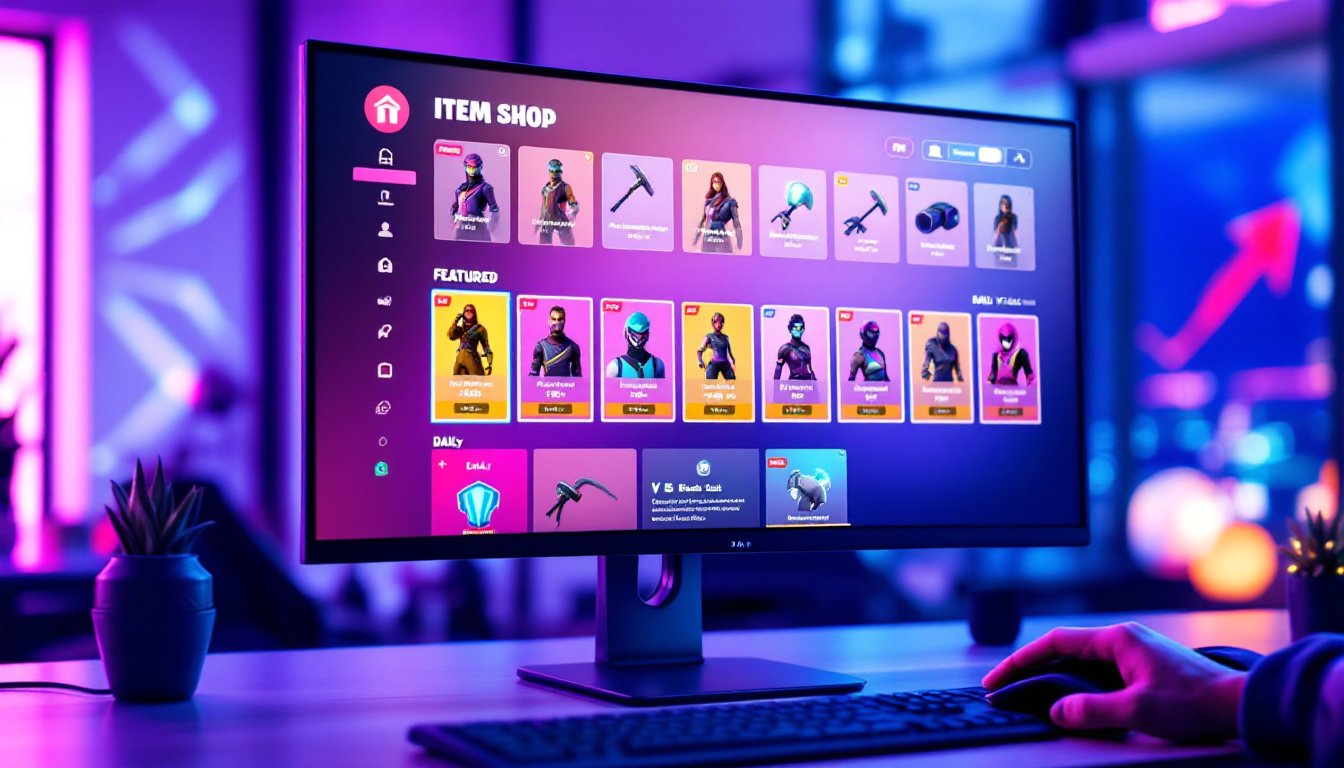
Items are organized into sections that vary slightly between updates. The Featured section displays higher-profile cosmetics, often staying visible for multiple days. The Daily section rotates items every 24 hours at lower price points. Special tabs appear during events like Winterfest or crossover seasons, showing limited-time collaborations.
Epic Games maintains a philosophy that most cosmetics will return, but “good chance” doesn’t mean guaranteed dates. Rare skins may wait months between appearances. Battle Pass exclusives and crew pack cosmetics never return to the shop in their original form, creating intentional scarcity.
Shop on fortnite.com vs. In-Game Shop
Both versions access the identical cosmetic rotation and pricing. The in-game shop, available on PC, PlayStation, Xbox, Nintendo Switch, and mobile platforms, offers full functionality: browse, purchase, and items instantly appear in your Locker.
The web-based shop at fortnite.com provides the same catalog through your browser. Purchases complete via your Epic account and sync once you launch the game. The web version is handy for browsing the fortnite store today lineup without booting up the console or client, or planning purchases during work breaks.
Prices remain identical across both versions for the same regional account. Visual layout differs slightly, the web interface may organize sections differently, but the cosmetics available and V-Bucks costs are synchronized. Platform-specific policies affect V-Bucks visibility in some cases (e.g., Xbox currency may only display on Xbox), but purchased cosmetics appear across all linked devices.
V-Bucks, Pricing, and How to Make Purchases
V-Bucks are Fortnite’s premium currency, purchased with real money or occasionally earned through Save the World missions and Battle Pass milestones. Typical V-Bucks pack tiers start at 1,000 V-Bucks for around $9.99 USD (prices vary by region and platform) and scale up to 13,500 V-Bucks for approximately $99.99.
Cosetic pricing ranges widely. Individual skins typically cost 800–2,000 V-Bucks: collaboration skins often hit the 1,500–2,000 range. Pickaxes run 500–800 V-Bucks. Bundles combine multiple cosmetics at discounted totals, saving 200–500 V-Bucks compared to buying individually.
Purchasing is straightforward: add V-Bucks via your platform’s payment system (credit card, PayPal, gift cards, etc.), then navigate to the Item Shop. Select your desired cosmetic and confirm the transaction. Items appear immediately in your Locker.
Some bundles and special offers accept direct real-money payment instead of V-Bucks, bypassing currency conversion. Starter Packs, low-priced real-money offerings including a skin, back bling, pickaxe, and bonus V-Bucks, return monthly with fresh cosmetics. These aren’t available for V-Bucks: they’re one-time purchases per account per season.
Refund tickets allow limited self-service refunds within a specific window (typically 30 days of purchase, not used, and not consumed for Battle Pass progression). Regional laws and platform policies may extend or restrict refund eligibility beyond Epic’s stated terms.
Navigating Item Shop Sections and Featured Offers
Understanding shop sections helps identify which cosmetics rotate daily and which linger. The Featured tab showcases new releases, returning classics, and high-profile collaborations. These items stay visible for 1–3 days or longer during major events. Featured slots are prime real estate, new skins premiere here, brand collabs debut here, and seasonal event cosmetics appear here.
The Daily tab rotates items every 24 hours at the UTC reset. These tend to be older cosmetics or lower-cost accessories. Checking daily rotations is how players find bargain-priced pickaxes or back blings they’d overlooked.
Special tabs emerge during seasonal events. Winterfest, for example, displays holiday-themed cosmetics and rotating discounts. Collaboration seasons (Marvel, DC, anime crossovers) feature dedicated tabs showcasing licensed skins, emotes, and event-exclusive rewards. During Chapter updates, new cosmetic styles and limited-time offerings flood specific tabs.
The Fortnite store right now likely contains a Battle Pass promotion tab, Fortnite Crew subscription info, and any active Bundle deals. Icon Series cosmetics (skins themed after real-world celebrities and athletes) appear in rotating slots. Festival Pass access and seasonal event cosmetics occupy dedicated space during their active windows. Game8 maintains comprehensive Item Shop tracking, showing today’s exact rotation and upcoming predicted releases.
Special Offers, Bundles, and Limited-Time Items
Bundles are the most cost-effective way to expand your cosmetic wardrobe. A typical bundle groups 3–5 cosmetics (skin, back bling, pickaxe, glider) at a discounted V-Bucks total. Bundles save 200–600 V-Bucks compared to individual purchases, plus sometimes include bonus loading screens or music packs.
Starter Packs rotate monthly and cost $9.99 USD (regional pricing applies). Each includes a new or returning skin, back bling, pickaxe, and 600 bonus V-Bucks. These are one-time purchases per account and excellent value for new players looking to build a cosmetic collection immediately.
Level-Up Quests Packs are paid cosmetic bundles that unlock additional styles and Battle Pass-like progression. You purchase a pack, unlock a skin variant, then complete in-game quests to earn additional styles. These appeal to players who want more value beyond a single cosmetic.
Collaboration and Event Cosmetics dominate the shop during crossover seasons. Marvel seasons feature MCU characters: DC events bring superhero skins: anime collaborations showcase popular series. These items often return annually or irregularly, making them collectible and sometimes hotly anticipated.
Real-Money Bundles occasionally offer cosmetics plus V-Bucks at a fixed price, similar to Starter Packs. During major sales or holiday events, Epic discounts bundles further, making them limited-time bargains.
Integrating external resources like The Loadout’s Fortnite loadout guides helps players align cosmetic choices with their preferred playstyle. A skin’s profile doesn’t affect hitboxes or performance, but visual preference and sightline clarity matter psychologically.
Account Linking, Refunds, and Troubleshooting Common Issues
Account Linking ensures your cosmetics follow you across platforms. Link your Epic Games account to PlayStation, Xbox, Nintendo Switch, and PC. Once linked, purchased cosmetics appear in your Locker on all platforms simultaneously. V-Bucks display varies by platform policy, currency bought on one console may not appear on another, but cosmetics bought with those V-Bucks do sync.
This centralization prevents buying the same skin twice on different devices and lets console players access cosmetics purchased on PC. Epic’s account management dashboard shows all linked platforms, connected social accounts, and purchase history.
Refunds are limited but available. Epic provides Return Tickets (number per account varies by region). Within the refund window (typically 30 days), unused cosmetics can be refunded for V-Bucks. Battle Pass refunds require no progression past the free tiers. Some items, consumables, emotes used in-game, become ineligible once “consumed.”
Platform-specific purchases (real-money Starter Packs bought through PlayStation Store or Xbox) follow those platforms’ refund policies, not Epic’s. This means PlayStation Store refund windows and Xbox Live refund rules may override Epic’s terms.
Troubleshooting
• Missing cosmetics after purchase: Check purchase history in the account menu. Confirm you’re logged into the correct Epic account. If the item isn’t in your Locker, verify platform linking is active.
• Purchase failures: Validate your payment method, check regional restrictions, and review billing errors. Epic’s Help Center lists specific error codes and solutions.
• V-Bucks not appearing: Console-exclusive V-Bucks may not display cross-platform. This is expected. Cosmetics bought with those V-Bucks will still transfer.
• Refund eligibility questions: Visit your account’s Return History to check available tickets and past refund windows. Twinfinite’s Fortnite walkthroughs often clarify policy updates and edge-case scenarios.
Contact Epic Support if issues persist. Response times vary, but account specialists handle cosmetic-related disputes and refund appeals.
Conclusion
The Fortnite Item Shop is a daily-rotating cosmetic marketplace synchronized across in-game and web platforms, using V-Bucks as the primary currency. Understanding the 00:00 UTC update cycle, the difference between Featured and Daily sections, and how bundles maximize value makes every purchase deliberate. Account linking centralizes cosmetic ownership across all devices, while refund tickets provide safety nets for accidental buys. Whether checking the item shop right now on fortnite.com or browsing in-game, knowing pricing tiers, bundle discounts, and limited-time collaboration windows helps players build their ideal cosmetic loadout without wasting V-Bucks on regrettable purchases.