Table of Contents
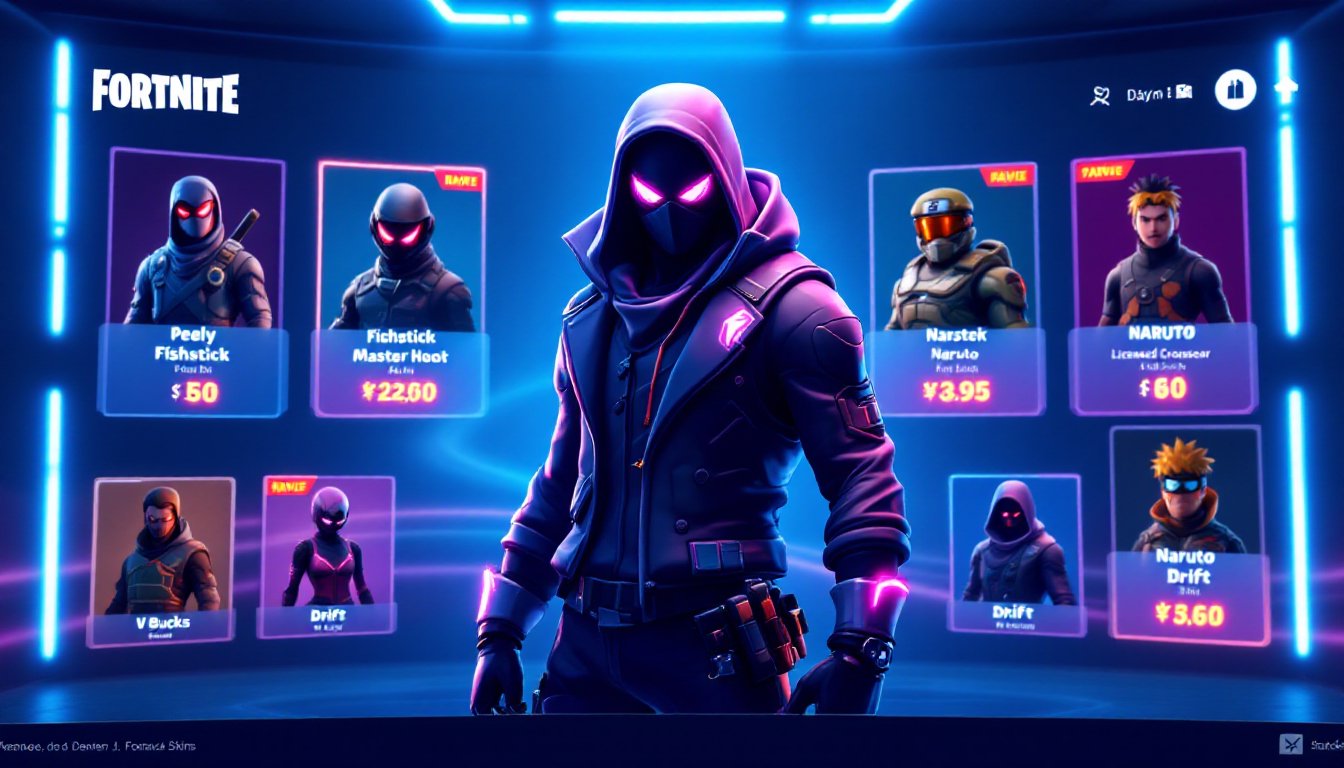
ToggleFortnite characters are everywhere, whether you’re talking about the thousands of cosmetic skins in the Item Shop or the NPCs scattered across the island. Since its launch in 2017, Fortnite has become a cultural phenomenon, and a huge part of that appeal is the sheer variety of characters you can play as. From iconic original designs like Peely and Fishstick to massive licensed crossovers with everyone from Master Chief to Naruto, the character roster has exploded. Whether you’re a casual player looking for a cool new look or a competitive player who cares about cosmetic customization, understanding Fortnite characters and skins is essential. This guide breaks down everything you need to know about skins, NPCs, where to find them, and how to get them in 2026.
Key Takeaways
- Fortnite characters consist of two distinct systems: cosmetic skins that define your appearance and NPCs that provide quests and services directly impacting gameplay.
- The rarest Fortnite skins include OG releases like Renegade Raider and battle pass exclusives like Drift and Midas, while licensed crossovers from Marvel, DC, Star Wars, and anime franchises offer limited-time collectibles that rotate in and out unpredictably.
- You can acquire Fortnite character skins through free battle pass rewards and in-game events, or invest 800-2,000+ V-Bucks through the daily rotating Item Shop, bundles, or the Fortnite Crew subscription.
- NPC locations change each season and can be tracked using interactive community maps like Fortnite.gg and the Fortnite Wiki to find vendors, quest-givers, and their services.
- Licensed character collaborations with franchises like Halo, God of War, anime series, and real-world icons have become major draws, with availability rotating seasonally and some skins remaining vaulted for extended periods.
What Are Fortnite Characters and Skins?
When players talk about Fortnite characters, they’re usually referring to two distinct systems: outfits (skins) and NPCs. Understanding the difference is crucial.
Skins are cosmetic character models that change how your player looks. They’re purely visual, wearing the rarest Fortnite skins won’t make you faster, stronger, or give you any gameplay advantage. Epic Games separates skins into different rarity tiers (Uncommon, Rare, Epic, Legendary) based on design complexity and exclusivity. Some skins are locked behind battle passes, others rotate in and out of the Item Shop, and certain collaboration skins may never return.
NPCs, on the other hand, are AI-controlled characters that exist on the island. They can give quests, sell weapons and healing items, or be hired as followers to fight alongside you. Unlike skins, NPCs directly impact gameplay. You don’t “own” them, they’re just environmental characters you interact with during matches. Their locations and services change each season, so it’s worth checking the current map if you’re hunting for specific vendors or quest-givers.
Popular Fortnite Characters and Iconic Skins
The Fortnite skin roster is massive, but certain characters have become legendary in the community. Some of the most iconic original skins include Renegade Raider and Aerial Assault Trooper, which dropped in the early Item Shop rotations and are now considered OG skins due to their rarity. Skull Trooper and Ghoul Trooper became instant classics during Halloween events, while Cuddle Team Leader and Peely represent the game’s silly, mascot-like side.
Battle Pass exclusives like Drift, Midas, Lynx, The Visitor, and Ragnarok shaped entire seasons and remain popular because they were harder to obtain. Modern players frequently cite skins like Naruto from the anime collab, Michonne from The Walking Dead, Master Chief from Halo, Ariana Grande, Xenomorph from Alien, Spider-Gwen, John Cena, Red Knight, Carbide, and Lexa as standout picks. Each of these skins carries cultural weight and represents a milestone in Fortnite’s crossover history.
Licensed Characters and Crossovers
Fortnite’s licensed character pool is staggering. Epic Games partners with massive franchises across multiple categories:
Icon Series features real people and content creators: Ninja, Travis Scott, LeBron James, and countless others bring their real-life personas into the game.
Gaming Legends include Master Chief (Halo), Kratos (God of War), Lara Croft, and fighting game icons like Chun-Li and Ryu. These collaborations appeal directly to the hardcore gaming audience.
Marvel and DC have dominated the licensed space. Iron Man, Spider-Gwen, Thanos, Batman, and Harley Quinn have all had their moment in Fortnite’s shop.
Star Wars brought Darth Vader and The Mandalorian to the island, creating some of the most anticipated skin drops in the game’s history.
Anime collaborations have exploded in recent years. My Hero Academia Fortnite: showcases how deeply anime characters have integrated into Fortnite’s ecosystem. Beyond that, Fortnite Bleach Collaboration: Everything You Need to Know in 2026 represents the continued push into anime IP. The Cowboy Bebop in Fortnite: also stands as a fan-favorite crossover that brought jazz-noir vibes to the battle royale.
Availability rotates constantly, some collabs return seasonally, while others remain vaulted for years. This scarcity drives collector mentality and trading discussions across the community. If you’re hunting for rarest Fortnite skins, many of these limited-time collaborations are your best bet.
How to Find Fortnite Characters by Location
Finding NPCs in Fortnite requires knowing where to look. In-game discovery happens naturally as you explore the map, NPC icons appear when you’re nearby or after you’ve discovered them once. But, if you need precision location data, community resources are essential.
Fortnite.gg hosts an interactive map updated each season showing current NPC spawn locations, their services, and which quests they offer. This is invaluable for challenge completionists.
Fortnite Wiki (fortnite.fandom.com) maintains comprehensive per-season lists documenting every NPC, their dialogue, available services, and exact coordinates. Since locations shift with map updates and new seasons, checking the current-season data prevents wasted time searching obsolete spots.
Skin locations are different, they’re found exclusively in the Item Shop or earned through battle passes and events. Fortnite shop today rotations typically showcase new skins every day, with some skins appearing monthly and others sitting in the vault for months. Staying updated on shop rotations is how players catch limited-time cosmetics they don’t want to miss.
Getting Free and Paid Fortnite Skins
Acquiring skins comes down to budget and patience. Free methods exist but are limited. Each season’s Battle Pass includes some free-tier cosmetics if you don’t spend money. In-game events and challenges occasionally reward free skins or exclusive styles. Promotional rewards through platform partnerships, tournaments, or special quests sometimes unlock free cosmetics, though these are rare.
Paid methods dominate the skin economy. The Item Shop rotates daily and includes new skins released throughout each season, costs range from 800 to 2,000+ V-Bucks depending on rarity. Bundles and packs offer discounted V-Bucks or curated skin collections, sometimes tying to real money or in-game currency. Fortnite Crew is the subscription model: monthly payments net you an exclusive Crew skin, the current season’s Battle Pass, and 1,000 V-Bucks, effectively paying for itself if you were planning to buy the pass anyway.
Special skins like those tied to anime collaborations or limited crossovers rotate in and out unpredictably. Lucien West Fortnite: Complete explores character-specific mechanics, while Fortnite Sprites: The Ultimate delves into how characters are deconstructed for creative projects. For those interested in the full Fortnite ecosystem, What Is Fortnite? A provides foundational context.
According to tier-ranking discussions on gaming sites like Game Rant, the most sought-after skins combine visual appeal, rarity, and cultural relevance. Cosmetic customization through Fortnite Dance: The Complete and other cosmetics rounds out a player’s complete look. Budget around 1,000-2,000 V-Bucks monthly if you’re an active skin collector.
Conclusion
Fortnite characters span two worlds: cosmetic skins that define your player’s appearance, and map NPCs that provide quests and services. The skin ecosystem is massive, featuring original heroes, iconic OG outfits, and constant licensed crossovers from gaming, entertainment, and sports. Whether you’re chasing the rarest Fortnite skins or just want a fresh look for next season, the combination of free battle pass cosmetics, rotating shop items, subscriptions, and seasonal events ensures there’s always something new. Stay updated on NPC locations through community maps, track shop rotations for must-have skins, and remember, in Fortnite, style is everything.