Table of Contents
ToggleThe Fortnite Item Shop refreshes every day at 00:00 UTC, and for players eager to grab the latest skins, emotes, and cosmetics, knowing how to navigate it efficiently is key. Whether you’re hunting for a specific outfit or looking to spend your V-Bucks smartly, understanding the shop’s layout, rotation schedule, and pricing tiers can save you disappointment and currency. This guide breaks down everything you need to know about the Fortnite item shop today and beyond, from how daily rotations work to strategic spending tips that’ll help you build the perfect cosmetic loadout.
Key Takeaways
- The Fortnite Item Shop refreshes daily at 00:00 UTC with new cosmetics, while featured and collaboration items typically last 24–48 hours or longer for major crossovers.
- Cosmetics are tiered by rarity—Uncommon (800–1,200 V-Bucks for outfits), Rare, Epic (1,500 V-Bucks), and Legendary (2,000 V-Bucks)—with bundles consistently offering 20–30% savings over buying items separately.
- Use third-party trackers like fortnite.gg to monitor rotation patterns and predict when specific cosmetics will return, helping you decide whether to buy now or wait.
- Prioritize the Battle Pass (typically 950 V-Bucks) over individual cosmetics, as it unlocks 100+ cosmetics through gameplay and often generates enough V-Bucks to fund future seasons.
- Limited-time collaborations with brands like Marvel and Star Wars don’t guarantee future returns, so grab items during their live windows to avoid long waits.
- Set monthly V-Bucks spending limits beforehand to avoid impulse purchases and make deliberate decisions about cosmetic investments.
Understanding the Fortnite Item Shop Layout and Rotation Schedule
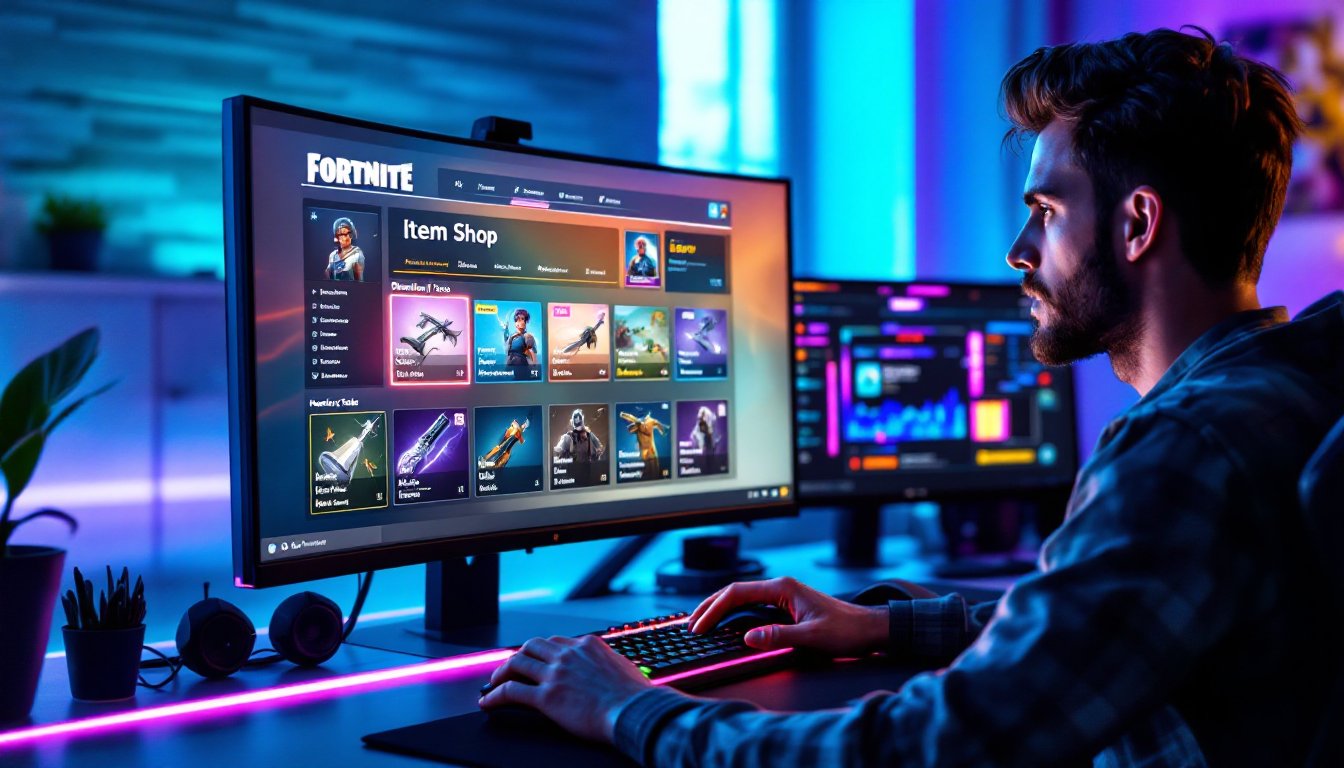
The Fortnite Item Shop is a rotating cosmetic store that’s the main way players grab outfits, emotes, and other cosmetics outside the Battle Pass. Every single day, the entire shop updates at 00:00 UTC, pulling out older cosmetics and introducing new ones or bringing back returning favorites.
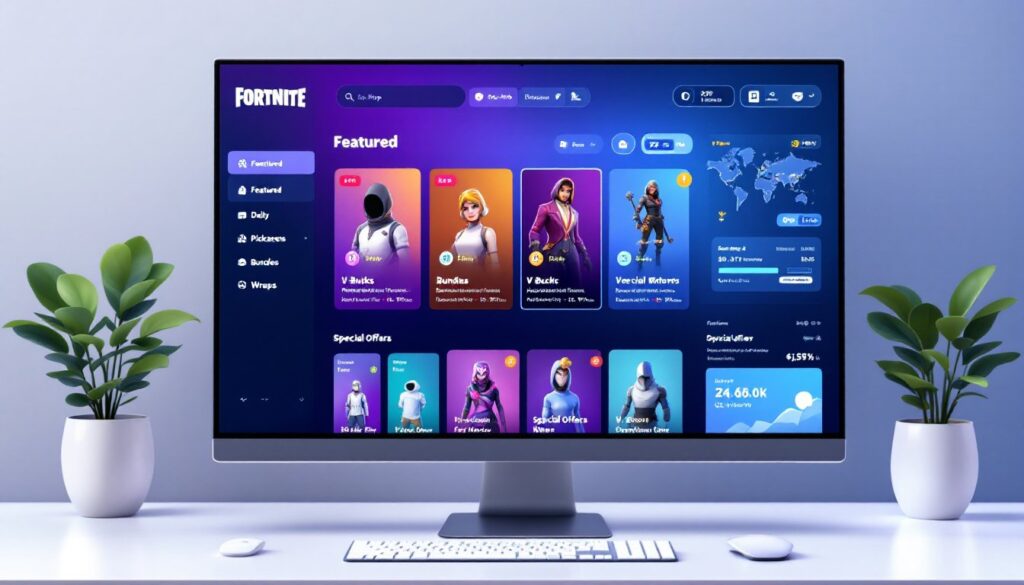
The shop is structured into multiple sections, though Epic Games occasionally tweaks these names and layouts. You’ll typically find:
- Featured/Special Offers or Bundles – Usually spotlights premium or newly released cosmetics, often staying visible for 24–48 hours or longer for major collaborations.
- Daily – Standard rotating items that change every 24 hours: this is where you’ll find a mix of rarity tiers.
- Collaborations/Icons/Crossovers – Housing brand partnerships like Marvel, Star Wars, and the Icon Series. These sections can persist for several days to weeks depending on the partnership scale.
- Battle Pass/Crew – Appears when these seasonal offerings are active, letting players purchase seasonal progression directly.
- Themed sections – Categories like “Battle Ready,” “Best Sellers,” or seasonal themes that rotate based on current events.
Understanding this structure helps you know where to look for specific items and roughly how long featured cosmetics will stick around.
How Daily Rotations Work and What You Can Expect
The daily reset happens exactly at 00:00 UTC for all players globally. When that clock strikes, the shop refreshes with new inventory. Here’s what that means for your shopping habits:
Daily items rotate every 24 hours, meaning if you see something in the Daily section, it’s gone after one day. If you want it, you need to act fast.
Featured/Bundle sections often last longer, typically 24–48 hours, but major crossovers or limited-time collaborations can stay up for weeks. When a massive collaboration drops, Epic keeps those items front-and-center for extended runs.
“Best Sellers” tabs (when present) highlight the hottest items from recent days, showing what other players are grabbing. This is useful for gauging what’s actually popular versus just what’s new.
Event or crossover sections have their own timelines. A Marvel crossover might run for 10+ days, while a smaller collaboration could be 3–5 days. Community trackers like fortnite.gg’s Item Shop database document exactly when items first appeared and how long they typically stay, handy if you’re predicting when something might return.
Types of Items Available and What Sets Them Apart
The Fortnite item shop stocks a wide variety of cosmetics, and they’re all purely cosmetic, meaning zero competitive advantage, just visual flair. Here’s what you can find:
Outfits (Skins) – Character models ranging from original Epic designs to celebrity likenesses and franchise characters. These are the most sought-after cosmetics and typically the priciest.
Back Blings – Backpack-style cosmetics that pair with outfits. Some outfits come with bundled back blings: others require separate purchases.
Harvesting Tools (Pickaxes) – Your farming and melee weapon skin. These sell well because they’re visible every time you’re gathering materials or hitting someone.
Gliders – Skydiving cosmetics you deploy when dropping into matches. They don’t affect speed or performance, purely visual.
Emotes – Dances, gestures, and celebrations. These range from simple single-person emotes to synced group dances and built-in animations tied to specific outfits.
Wraps – Weapon and vehicle skins that customize your guns and vehicles’ appearances. Less flashy than outfits but a nice way to personalize your loadout.
Music Packs, Loading Screens, Sprays, Emoticons – Minor cosmetics that round out your profile and in-game presence.
Bundles – Collections of multiple items (often an outfit + back bling + tool, for example) sold together at a discount. Buying a bundle is almost always cheaper than buying each item separately, so they’re smart purchases if you like the full set.
Rarity Tiers and Pricing Models Explained
Cosmetics are tiered by rarity, and rarity directly correlates with V-Bucks cost. Here’s the standard breakdown:
Uncommon (Green) – Entry-level pricing. Small items like sprays or emoticons run 200–500 V-Bucks, while uncommon outfits start around 800 V-Bucks.
Rare (Blue) – Mid-tier. Tools and emotes typically cost 500–800+ V-Bucks, and rare outfits land around 1,200 V-Bucks.
Epic (Purple) – Premium cosmetics. Most Epic outfits cost 1,500 V-Bucks and often include unique mechanics or collaborations.
Legendary (Gold) – Top-tier, with outfits typically priced at 2,000 V-Bucks. These are often celebrity skins or major franchise characters.
Icon Series/Collaboration/Special – Priced like Epic or Legendary but can vary. A celebrity Icon Series skin might run 1,800 V-Bucks, while a massive AAA crossover outfit could hit 2,000.
Bundles deserve special attention. According to item shop tracking resources, bundled cosmetics cost noticeably less than buying items individually, offering 20–30% savings in many cases. If a bundle includes three items you like, it’s almost always the smarter buy.
Strategic Tips for Spending V-Bucks Wisely
V-Bucks are your currency, and they’re real money. Spending them strategically ensures you’re not left wishing you’d held onto currency for something better.
Use third-party trackers to stay informed. Sites like fortnite.gg and fnbr.co maintain archives of every cosmetic’s appearance history, including “last seen” dates and rotation patterns. If you’re hunting a specific outfit, these trackers show exactly when it last appeared in the shop and help you predict roughly when it might return. Some skins cycle every 30 days: others take months or years.
Prioritize bundles over individual items. Fortnite’s bundle strategy consistently delivers better value than separate purchases. A 3-item bundle might cost 2,500 V-Bucks while buying each piece individually totals 3,200+. That’s real savings that add up over time.
Understand what’s actually rare. “Rare” in terms of rarity tier isn’t the same as rare in terms of availability. A Legendary skin that drops every few weeks is common in the shop. A Rare or Epic outfit that hasn’t shown up in 300+ days is genuinely hard to get. Trackers make this distinction clear, use that info to decide if something’s worth the V-Bucks now or if you can wait.
Don’t sleep on the Battle Pass. V-Bucks can purchase the Battle Pass when available, and that pass unlocks 100+ cosmetics through gameplay rather than one-off purchases. In terms of cosmetics-per-V-Buck spent, the Battle Pass (typically 950 V-Bucks) is unbeatable. Many players earn back enough V-Bucks from Battle Pass rewards to fund the next season.
Watch for seasonal events and collaboration windows. Limited-time collaborations (Marvel, DC, anime series, etc.) don’t stick around. If there’s a crossover you’re interested in, grab it while it’s live. Waiting usually means a long gap before it returns, if ever.
Set personal limits and stick to them. V-Bucks tempt impulse purchases. Decide monthly limits beforehand and avoid “just one more” situations. The shop refreshes daily, there will always be something new tomorrow.
Conclusion
The Fortnite Item Shop is straightforward once you understand its mechanics: daily resets at 00:00 UTC, structured sections, and rarity-based pricing. Armed with knowledge of rotation patterns, item types, and smart spending strategies, you can confidently navigate the shop and build a cosmetic collection you actually love without wasting V-Bucks on impulse buys. Track cosmetics you want, understand bundle value, and make deliberate purchasing decisions, that’s how seasoned players maximize their cosmetics while protecting their wallets.