
Table of Contents
ToggleFIFA trends 2026 point toward a tournament unlike anything fans have seen before. The 2026 FIFA World Cup will span three countries, feature 48 teams, and introduce significant changes to global soccer. This article breaks down the key FIFA trends 2026 fans should know, from the historic hosting format to technology upgrades that will reshape how people watch and attend matches. Whether someone follows soccer casually or obsessively, understanding these FIFA trends 2026 offers a clear picture of what’s coming.
Key Takeaways
- The 2026 FIFA World Cup will be hosted across three countries—the United States, Canada, and Mexico—marking a historic first for the tournament.
- FIFA trends 2026 include an expanded 48-team format, the largest increase in World Cup history, giving more nations a realistic path to qualify.
- The tournament grows to 104 matches over 39 days, creating more content for fans but raising concerns about player workload.
- Semi-automated offside technology, 8K streaming, and virtual reality options will enhance how fans watch and experience matches.
- Top contenders include defending champion Argentina, France with Kylian Mbappé, and host nation USA benefiting from home-field advantage.
- Sustainability initiatives and upgraded stadium infrastructure reflect FIFA’s commitment to a more eco-friendly and accessible World Cup.
The Historic Three-Nation Hosting Format
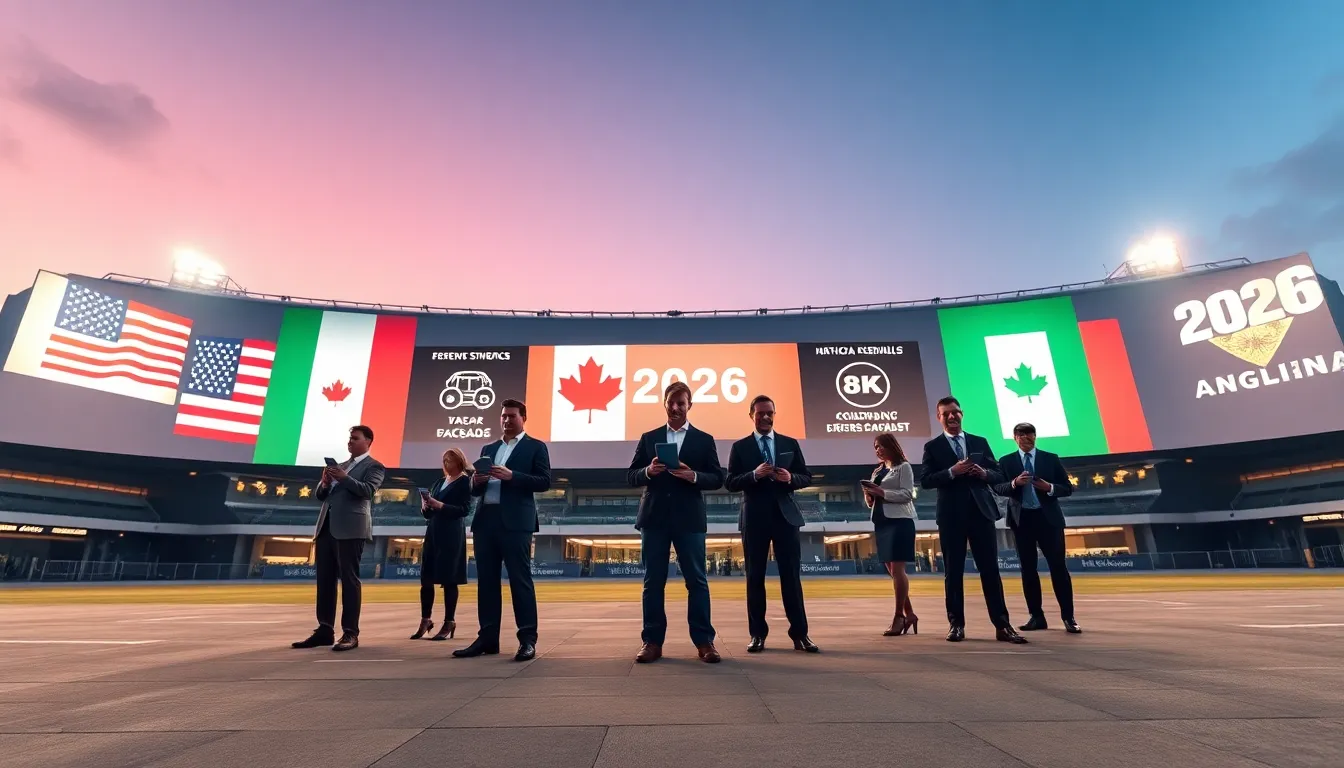
For the first time in World Cup history, three countries will share hosting duties. The United States, Canada, and Mexico will stage the 2026 FIFA World Cup across 16 cities. This marks a major shift in FIFA trends 2026 and sets a precedent for future tournaments.
The U.S. will host the majority of games, including the semifinals and final. Eleven American cities made the cut: Atlanta, Boston, Dallas, Houston, Kansas City, Los Angeles, Miami, New York/New Jersey, Philadelphia, San Francisco, and Seattle. Mexico contributes three venues, Estadio Azteca in Mexico City, Guadalajara, and Monterrey. Canada adds Toronto and Vancouver.
This format spreads economic benefits across North America. Each host nation gains tourism revenue, infrastructure investment, and global visibility. FIFA estimates the tournament could generate over $5 billion in economic activity.
The multi-nation approach also tests logistics. Teams and fans will cross borders frequently. Organizers have promised streamlined visa processes and coordinated transportation networks. Still, some critics question whether the scale introduces unnecessary complications.
Estadio Azteca holds special significance. It becomes the first stadium to host three World Cup finals (1970, 1986, and now 2026). That historical connection adds weight to Mexico’s role in FIFA trends 2026.
Expanded Tournament Structure With 48 Teams
The 2026 World Cup expands from 32 to 48 teams. This represents the largest single increase in tournament size in FIFA history. The change reshapes qualification paths, group stages, and the knockout rounds.
Under the new format, 48 teams divide into 12 groups of four. The top two teams from each group advance, along with the eight best third-place finishers. This creates a 32-team knockout bracket.
FIFA trends 2026 favor broader global representation. Africa gains additional spots, moving from five to nine or more qualifying berths. Asia expands similarly. Europe retains the most spots, but the gap narrows. Smaller soccer nations now have realistic paths to the World Cup stage.
The tournament length extends to 39 days with 104 total matches. That’s 40 more games than the 2022 edition. Broadcasters and sponsors welcome the added content. Players and coaches express mixed feelings about workload and scheduling density.
Some purists argue the expansion dilutes competition quality. Others counter that growing the tournament develops soccer globally and rewards emerging programs. Both perspectives hold merit.
Qualification campaigns already reflect these FIFA trends 2026. Nations previously considered outsiders now compete seriously for World Cup berths. The stakes feel higher across every confederation.
Key Teams and Players to Watch
Several national teams enter 2026 with strong title credentials. France, even though finishing second in 2022, retains core talent. Kylian Mbappé remains the tournament’s most electric attacking threat at just 27 years old.
England continues building under recent momentum. Jude Bellingham, Bukayo Saka, and Phil Foden form an exciting young core. The English haven’t won a World Cup since 1966, and 2026 presents a genuine opportunity.
Argentina enters as defending champion. Lionel Messi, if he participates, would likely play his final World Cup at age 38. The emotional weight of that storyline dominates FIFA trends 2026 discussions. Young talents like Julián Álvarez provide Argentina with options regardless of Messi’s status.
Brazil aims to end its longest World Cup drought. The five-time champions last lifted the trophy in 2002. Vinícius Júnior and Rodrygo carry attacking responsibilities for a squad hungry to reclaim dominance.
Host nations add intrigue. The United States benefits from home-field advantage and a golden generation featuring Christian Pulisic and Weston McKennie. Mexico and Canada each bring passionate home crowds and underdog energy.
Germany, Spain, and Portugal round out the favorites. Each possesses tournament-winning quality. The expanded field means more dark horses could emerge, nations like Morocco, Japan, or Senegal might surprise again.
Technology and Fan Experience Innovations
FIFA trends 2026 include significant technological advances. The tournament will feature enhanced VAR systems, improved broadcast capabilities, and fan-focused digital tools.
Semi-automated offside technology, introduced at the 2022 World Cup, receives further refinement. The system uses limb-tracking cameras and AI to detect offsides within seconds. Expect faster decisions and fewer controversial delays in 2026.
Broadcast innovations target global audiences. 8K video streaming becomes available in select markets. Virtual reality options let fans experience matches from multiple angles. These features aim to bring the stadium atmosphere into living rooms worldwide.
Stadiums across all three host nations receive upgrades. Climate control systems address extreme summer temperatures, particularly in southern U.S. venues. Improved accessibility features ensure fans with disabilities can attend comfortably.
Mobile apps will centralize ticketing, transportation, and real-time match information. FIFA partners with tech companies to create seamless experiences for the estimated 5 million in-person attendees.
Sustainability efforts also define FIFA trends 2026. Organizers commit to carbon-neutral operations where possible. Solar panels, waste reduction programs, and public transit incentives aim to offset the tournament’s environmental footprint.
Fan zones in each host city promise immersive experiences. Large screens, interactive exhibits, and cultural programming extend the World Cup beyond stadium walls. These zones serve fans without match tickets and generate additional local economic activity.