Table of Contents
ToggleWhen Epic Games teased a fedora-wearing archaeologist skulking through Chapter 3 Season 3’s jungle biome, the Fortnite community lost its collective mind. The Indiana Jones collaboration brought one of cinema’s most iconic adventurers into the battle royale, complete with whip-cracking emotes, temple ruins, and enough nostalgic fan service to make any ’80s kid grin. Unlike some crossovers that feel like slapped-on skins, this one integrated Indy into the game’s lore, map, and seasonal progression in ways that rewarded exploration and challenged players to think beyond just spraying and praying.
Whether players missed out on the original release or are hunting down every cosmetic detail for a retrospective, understanding how the collaboration worked, and why it mattered, gives context to one of Fortnite’s most ambitious licensed partnerships. From unlocking the skin to uncovering secret temple loot, here’s the full breakdown.
Key Takeaways
- Indiana Jones in Fortnite integrated the iconic archaeologist into Chapter 3 Season 3 through map changes, puzzle mechanics, and adventure-themed quests rather than just a cosmetic skin, setting a new standard for licensed crossovers.
- The Indiana Jones skin required Battle Pass progression and quest completion to unlock, making it an earned cosmetic that kept players engaged throughout the season and drove exploration-based gameplay.
- Shuffled Shrines featured pressure plate puzzles and hidden treasure locations that rewarded environmental exploration and problem-solving, appealing to casual players while competitive players found the mechanics disruptive to ranked balance.
- The collaboration themed specific weapons like the Striker Burst Rifle around Indy’s playstyle, incentivizing mid-range precision gameplay through quest requirements and higher loot rarity in temple locations.
- Indiana Jones Fortnite proved successful enough to influence future seasons’ design, establishing a template for adventure-themed content that prioritizes environmental storytelling and curiosity-driven gameplay over pure combat focus.
How the Indiana Jones Collaboration Came to Fortnite
Epic Games and Lucasfilm announced the Indiana Jones crossover during Chapter 3 Season 3, which ran from June to September 2022. The timing aligned with the buzz surrounding Indiana Jones and the Dial of Destiny, though the collaboration leaned heavily on the original trilogy’s aesthetic rather than promoting the new film directly.
The partnership wasn’t just a skin drop. Epic wove Indiana Jones into the season’s narrative through environmental storytelling, temple ruins appeared near Shuffled Shrines, secret doors unlocked via pressure plates, and treasure hunts rewarded players who explored rather than hot-dropped Tilted Towers for the hundredth time. It was a deliberate shift toward adventure-based gameplay, fitting Indy’s legacy as an explorer rather than a gunslinger.
What made this crossover stand out was its integration into the Battle Pass system rather than the Item Shop. Players couldn’t just swipe a credit card to unlock Indy: they had to grind out quests and reach specific tiers. That decision sparked debate, some appreciated the earned exclusivity, while others griped about time-gated content. Either way, it pushed engagement metrics through the roof and kept lobbies packed throughout the season.
The collaboration also marked a rare moment where Fortnite’s licensing team nailed the tone. Instead of turning Indy into a meme (looking at you, Naruto with an AR), they respected the source material while letting players whip enemies mid-firefight. It’s the kind of balance that separates memorable crossovers from cringe-inducing cash grabs.
The Indiana Jones Skin and Cosmetic Bundle
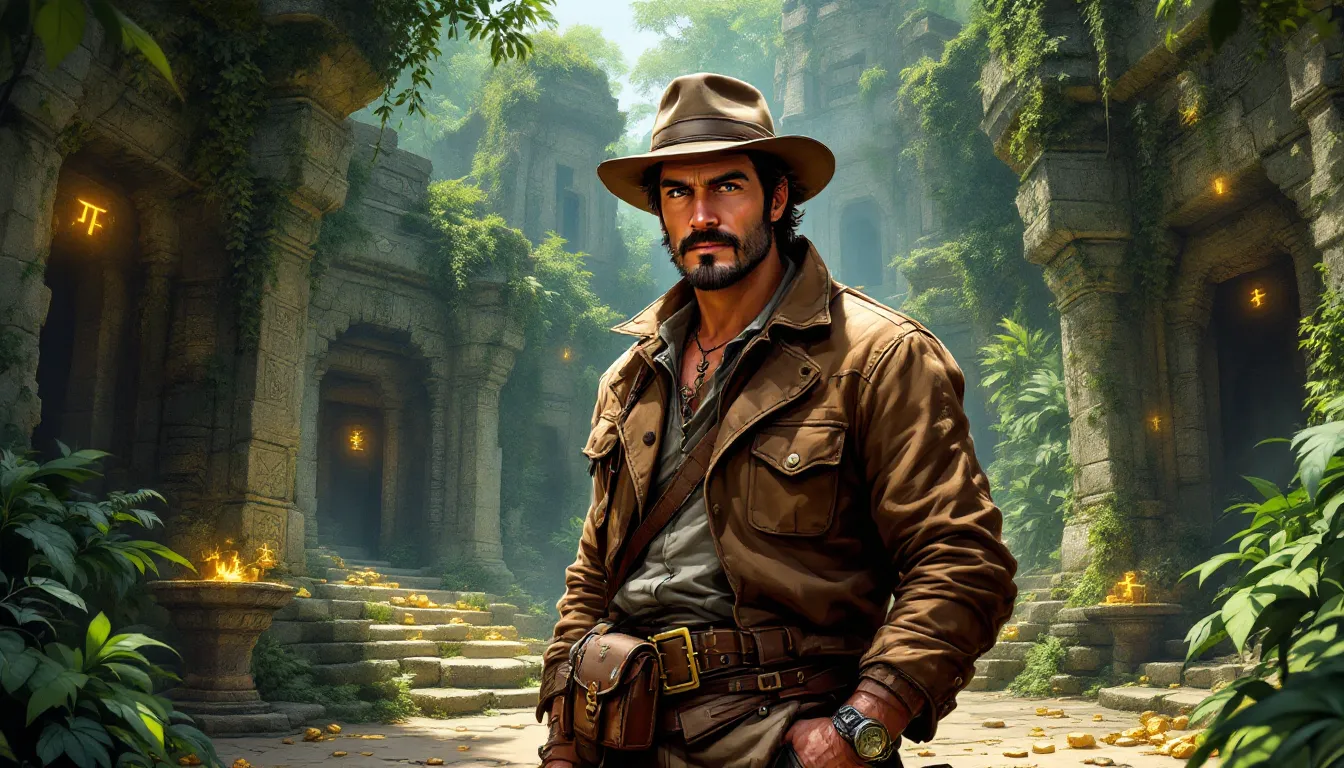
The Indiana Jones outfit nailed the character’s iconic look: brown leather jacket, weathered fedora, satchel slung across the chest, and that perpetual five o’clock shadow. Epic’s artists captured the rugged, globe-trotting archaeologist vibe without veering into cartoonish exaggeration. The base skin pulls from Raiders of the Lost Ark and The Last Crusade, prioritizing the classic Harrison Ford era over any modern interpretations.
Outfit Variants and Customization Options
Players unlocked two primary outfit styles through Battle Pass progression:
- Classic Indiana Jones: The default look with the brown leather jacket, khaki pants, and fedora. This is the version most players rocked in lobbies, leaning hard into nostalgic appeal.
- Temple Explorer: A dirtier, more battle-worn variant with torn sleeves, mud splatters, and visible wear. It’s the “I just barely escaped a collapsing temple” aesthetic, perfect for endgame sweats who want their skin to match their stress levels.
Both styles allowed for hat-on or hat-off customization, which sounds minor but satisfied the subset of players who hate headgear obstructing their field of view. The fedora stayed on by default, but toggling it off revealed Indy’s signature messy hair.
Unlike some Battle Pass skins that force you into a single color palette, the Indy variants kept things grounded. No neon pink edits, no holographic nonsense, just dirt, leather, and decades of cinematic credibility.
Back Bling, Pickaxe, and Emotes Included
The cosmetic bundle extended beyond the outfit:
- Back Bling – Adventurer’s Satchel: A weathered leather bag that matched the outfit’s color scheme. Functional-looking without being flashy, it fit the “archaeologist on the run” theme better than most oversized backpacks in Fortnite.
- Pickaxe – Indy’s Trusty Shovel: A beat-up entrenching tool that looked like it had dug through half the ancient ruins in the Middle East. The swing animation felt heavier than default pickaxes, adding weight to harvesting mats.
- Emote – Crack the Whip: The standout cosmetic. Players could unfurl Indy’s signature whip, complete with that iconic snap sound effect. The emote looped, letting you whip repeatedly for maximum BM potential after a squad wipe.
- Emote – Temple Escape Run: A traversal emote mimicking Indy’s frantic sprint from the boulder scene in Raiders. Not the fastest traversal option, but absolutely worth using in pre-game lobbies for the memes.
The loading screen bundled with the set showed Indy examining a golden relic inside a jungle temple, reinforcing the exploration theme. Epic also included a contrail that left a trail of golden sparkles, vaguely resembling ancient treasure dust. Subtle enough not to give away your position mid-glide, flashy enough to feel special.
One notable absence: no glider themed around the biplane from Temple of Doom. The community speculated Epic couldn’t secure additional licensing for specific film props, or maybe they’re saving it for a potential sequel season. Either way, players had to pair the skin with generic gliders, which felt like a missed opportunity.
How to Unlock Indiana Jones in Fortnite
Unlocking the Indiana Jones skin required commitment, this wasn’t a freebie tucked into the first few Battle Pass tiers. Epic structured the unlock path to keep players engaged throughout Chapter 3 Season 3, dangling Indy as a mid-to-late-season carrot.
Battle Pass Unlock Path
The Indiana Jones outfit became available at Battle Pass Page 10, Tier 1, but here’s the catch. Players couldn’t just grind XP to reach Page 10 like a traditional linear Battle Pass. Epic gated access behind specific quest completion, meaning you had to actively participate in seasonal content rather than AFK-ing through Team Rumble matches.
To unlock Page 10, players first needed to:
- Purchase the Battle Pass for 950 V-Bucks (roughly $9.50 USD).
- Reach Battle Pass Tier 10 to unlock the Indiana Jones Quests.
- Complete at least one Indiana Jones Quest to access Page 10 and claim the skin.
This staggered approach meant early-season grinders couldn’t immediately unlock Indy, even if they hit max level on day one. Epic deliberately time-gated the quests, rolling them out weekly to sustain engagement. Smart from a business perspective, frustrating if you just wanted the damn skin.
Once Page 10 unlocked, the base Indiana Jones outfit sat at Tier 1, with the Temple Explorer style requiring progression to Tier 9 on the same page. The remaining cosmetics (pickaxe, emotes, back bling) scattered across Tiers 2-10, forcing players to fully complete the page for the entire set.
Quest Requirements and Challenges
The Indiana Jones Quests launched in two waves during the season. Each batch contained multi-step challenges that rewarded exploration and puzzle-solving over pure combat skill. Epic clearly designed these for casual players who appreciated adventure mechanics, not just Champs-ranked Arena sweats.
Wave 1 Quests (released early season):
- Visit secret temple entrances scattered across the map (5 total locations).
- Activate pressure plates to open hidden doors inside Shuffled Shrines.
- Collect Indiana Jones artifacts from treasure chests within temple ruins (3 artifacts required).
- Damage opponents with the Striker Burst Rifle (a nod to Indy’s proficiency with firearms, though he’d probably prefer the whip).
Wave 2 Quests (released mid-season):
- Slide under 5 lowered archways without taking damage (required specific pathing through temple interiors).
- Hire an NPC to assist in a treasure hunt (NPCs rotated weekly, so you had to check current spawn locations).
- Survive 5 storm phases while wearing the Indiana Jones outfit (cheeky meta-requirement that forced players to actually use the skin).
- Deal headshot damage with pistols (100 total damage, referencing Indy’s iconic sidearm).
Most quests took 2-4 matches to complete if you focused on them. The sliding challenges were the biggest pain, Epic’s collision detection sometimes flagged clean slides as “impacts,” forcing restarts. Community guides on dedicated gaming sites quickly mapped out optimal routes to cheese the archway challenge.
Completing all quests wasn’t mandatory to unlock the skin, but it granted bonus XP that accelerated Battle Pass progression. Players who finished every challenge earned enough XP to jump several tiers, effectively subsidizing the grind toward the Temple Explorer variant and bonus cosmetics.
The quest design was a double-edged sword. Players who loved exploration and environmental storytelling praised the departure from “eliminate X opponents” monotony. Competitive players groaned about wasting match time on scavenger hunts instead of climbing ranked ladders. Either way, it kept lobbies active and drove engagement metrics, which is eventually what Epic cared about.
Indiana Jones-Themed POIs and Map Locations
Epic didn’t just slap an Indy skin into the game and call it a day, they overhauled chunks of the Chapter 3 Season 3 map to accommodate temple ruins, secret passages, and hidden loot. These changes transformed the jungle biome into a treasure hunter’s playground, rewarding players who prioritized exploration over immediate combat.
The Temple Ruins and Secret Doors
Shuffled Shrines became the centerpiece of the Indiana Jones integration. This POI introduced multi-level temple structures with destructible walls, hidden chambers, and puzzle mechanics that felt ripped from the Tomb Raider playbook (fitting, since both franchises share DNA with pulp adventure serials).
The most talked-about feature: pressure plate puzzles. Players had to step on specific stone tiles in the correct sequence to unlock secret doors. Get the order wrong, and nothing happened. Nail it, and doors slid open to reveal treasure rooms packed with high-tier loot, gold weapons, full shield stacks, and exclusive Indiana Jones collectibles tied to quest completion.
The puzzle sequences rotated weekly, preventing players from memorizing a single solution. Early in the season, community Discord servers lit up with players crowdsourcing solutions, mapping pressure plate locations, and racing to post first-solve videos on YouTube. It was collaborative problem-solving at scale, the kind of emergent gameplay that keeps communities alive between content drops.
Rave Cave also featured Indiana Jones set dressing, stalactites carved with ancient symbols, crumbling statues, and breakable floor tiles that occasionally dropped players into hidden chambers. Not as mechanically complex as Shuffled Shrines, but atmospheric enough to justify a rotation into your drop route.
Epic scattered smaller temple ruins across the jungle quadrant, mostly around the western and southern edges of the map. These weren’t full POIs but offered mid-tier loot spawns and occasional artifact pickups for quest completion. Smart squads looped through three or four mini-ruins per match, racking up mats and quest progress before rotating toward circle.
Hidden Treasure and Loot Locations
Beyond Shuffled Shrines, several unmarked treasure spots rewarded players who paid attention to environmental clues:
- Cracked stone walls: Certain temple walls featured visible fracture lines. Smashing them with a pickaxe revealed hidden alcoves with rare weapon spawns or artifact collectibles.
- Glowing rune markers: Golden symbols etched into stone floors indicated buried treasure. Standing on the rune for three seconds triggered a dig animation, spawning loot chests.
- Waterfall caves: A handful of waterfalls in the jungle biome concealed cave entrances. Swimming through the water curtain led to dry chambers with guaranteed chest spawns, low-risk, high-reward loot paths that most players never bothered checking.
The golden relic spawns tied directly to Indiana Jones quests. These shiny MacGuffins appeared only in specific temple rooms, glowing bright enough to spot from 20 meters out. Grabbing one consumed an inventory slot temporarily (similar to carrying a quest item), so you couldn’t just hoard them, you had to complete the related quest step or drop it.
One clever design choice: Epic added environmental hazards to temple interiors. Rolling boulders (yes, that boulder from Raiders) occasionally triggered when players stepped on trapped tiles, forcing split-second dodges. Poison dart traps fired from wall panels if you lingered too long in certain corridors. These hazards dealt minimal damage, usually 10-20 HP, but kept exploration tense and punished mindless looting.
The community response was mixed. Exploration-focused players loved the depth and replayability. Competitive players complained that POIs with puzzle gating slowed rotation timers and introduced RNG into loot access. By mid-season, Arena mode disabled most pressure plate puzzles, letting tournament players loot Shuffled Shrines without solving riddles under storm pressure.
Indiana Jones Weapons and Items
Epic didn’t introduce an “Indiana Jones Whip” mythic weapon (unfortunately), but they did tie specific armaments to the collaboration’s adventure theme. The Striker Burst Rifle and several existing weapons received narrative framing as Indy’s preferred loadout, complete with quest requirements that pushed players toward specific playstyles.
The Striker Burst Rifle functioned as the de facto Indiana Jones signature weapon during Chapter 3 Season 3. This burst-fire assault rifle dealt moderate damage per bullet but rewarded accuracy, landing all three rounds from a burst to the head melted opponents faster than most full-auto ARs. Stat breakdown:
- Damage per bullet: 24 (body), 48 (headshot)
- Magazine size: 30 rounds
- Fire rate: 4.5 bursts per second
- Reload time: 2.3 seconds
The Striker spawned in temple ruins at higher rarity tiers than elsewhere on the map. Players who looted Shuffled Shrines consistently found Epic and Legendary variants, while other POIs mostly dropped Uncommon and Rare versions. This loot weighting incentivized treasure hunting over landing at sweaty meta spots like Tilted Towers.
Quest requirements forced players to deal damage with the Striker, which led to a brief mid-season meta shift. Suddenly, burst rifles, traditionally overshadowed by spray-and-pray SMGs, dominated mid-range engagements. Players adapted by pre-firing around corners, baiting opponents into peeking windows, and abusing the Striker’s tight burst spread for headshot pressure.
Beyond the Striker, Epic themed several existing items around the Indiana Jones aesthetic:
- Revolver: Framed as Indy’s sidearm in quest flavor text. The weapon itself didn’t change mechanically, but headshot damage quests pushed players toward precision pistol play.
- Dynamite: Thematically appropriate for an archaeologist who solves problems with explosives. Useful for clearing blocked temple entrances (destructible rubble piles) and flushing opponents out of build fortresses.
- Grapple Gloves: Not explicitly tied to Indy, but thematically perfect for swinging across chasms and scaling temple exteriors. Players combined Grapple Gloves with the Indiana Jones skin for maximum roleplay authenticity.
One missed opportunity: Epic never introduced a whip as a functional weapon. The Crack the Whip emote was purely cosmetic, no damage, no utility, just style. Community wishlists flooded Reddit with mockups of a whip that could disarm opponents, yank players off high ground, or trigger environmental interactions. Epic never commented publicly, but dataminers speculated technical limitations around whip physics prevented implementation.
The Chug Splash also received an informal rebrand as “Indy’s emergency health potion” within community circles, though Epic never officially labeled it. The item’s splash radius made it ideal for healing behind cover during temple firefights, fitting the improvisational survival vibe of the films.
Overall, the weapon integration felt understated compared to Marvel mythics or Dragon Ball Z Kamehamehas. Players hoping for overpowered Indy-exclusive items were disappointed, but the restrained approach kept gameplay balanced while still rewarding thematic loadouts. Competitive balance won out over fan service, which, depending on your perspective, was either commendable or boring.
Community Reaction and Cultural Impact
The Fortnite community’s reaction to Indiana Jones split along predictable fault lines: casual players and nostalgia-driven fans loved it, while competitive purists griped about quest bloat and map clutter. But even the cynics admitted Epic nailed the execution, this wasn’t a lazy reskin: it was a full-blown thematic overhaul that respected the source material.
Social media lit up when Epic first teased the collaboration. Leaked cosmetics surfaced via dataminers weeks before the official announcement, building hype through speculation threads on Reddit and Twitter. When the official trailer dropped, featuring Indy exploring Shuffled Shrines set to John Williams’ iconic theme, reactions ranged from “shut up and take my V-Bucks” to “why isn’t this a mythic boss fight?”
Content creators milked the collaboration for everything it was worth. YouTube exploded with “All Indiana Jones Secrets Revealed” videos, most hitting 500K+ views within 48 hours. Streamers ran viewer-interactive treasure hunts, racing chat-suggested routes through temple ruins while explaining puzzle solutions. The Crack the Whip emote became instant meme fuel, players spammed it after Victory Royales, in pre-game lobbies, and during awkward mid-match standoffs.
Casual players praised the exploration-focused quest design. Fortnite had leaned heavily into combat-centric challenges for seasons, so the shift toward environmental puzzles felt refreshing. Parents reported their kids actually discussing archaeology and ancient civilizations after playing, which, whether you find that wholesome or dystopian, demonstrates the collaboration’s cultural reach beyond gaming.
Competitive players had… concerns. Arena and tournament lobbies saw reduced engagement during quest rollout weeks, as grinders diverted to pub matches for easier completion. Pros complained that pressure plate puzzles in competitive modes introduced RNG, teams that landed Shuffled Shrines first could lock down god-tier loot while late rotators got scraps. Epic eventually disabled puzzle gating in Arena, addressing balance complaints without gutting the mechanic from casual modes.
Cultural critics noted the collaboration’s timing. Indiana Jones and the Dial of Destiny wouldn’t release until 2023, yet Epic launched the Fortnite crossover in mid-2022. Some interpreted this as Lucasfilm testing brand strength ahead of the film’s debut, using Fortnite’s 200+ million player base as a focus group. Whether that strategy worked is debatable (the film underperformed at the box office), but the Fortnite collab itself was a success by engagement metrics.
The collaboration also sparked conversations about IP saturation in Fortnite. By 2022, the game had partnered with Marvel, DC, Star Wars, Dragon Ball Z, Naruto, and dozens of other franchises. Some players argued Fortnite’s identity had dissolved into a “IP showcase platform” rather than a distinct game. Others countered that crossovers kept content fresh and attracted diverse audiences. The Indiana Jones event fell into the latter camp, thematically cohesive, mechanically interesting, and executed with enough care to justify its existence.
Major outlets like IGN and other gaming news platforms covered the collaboration extensively, treating it as a mainstream cultural event rather than niche gaming news. That level of coverage underscored Fortnite’s position as a pop culture hub, where Hollywood partnerships carry weight beyond the gaming sphere.
One lasting impact: the collaboration set a template for future adventure-themed seasons. Epic later applied similar exploration mechanics to subsequent Battle Passes, incorporating puzzle POIs and environmental storytelling that rewarded curiosity over pure combat skill. Whether you credit or blame Indiana Jones for that shift depends on your playstyle preferences.
Tips for Maximizing Your Indiana Jones Experience
If you’re jumping into the Indiana Jones content late (or revisiting it via Creative mode recreations), these strategies help you extract maximum value, whether you’re chasing cosmetics, optimizing loot routes, or just roleplaying as a whip-cracking archaeologist.
Best Loadouts to Pair With the Indiana Jones Skin
The Indiana Jones aesthetic screams mid-range precision and improvised combat, so your loadout should reflect that playstyle. Here’s an ideal setup:
- Primary: Striker Burst Rifle (Epic or Legendary) – Your bread-and-butter for mid-range fights. Pre-aim head level, tap-fire bursts, punish peeks.
- Secondary: Revolver or Hand Cannon – Fits the adventurer vibe and handles close-range panic situations when opponents rush. Headshot damage melts unshielded enemies.
- Utility: Grapple Gloves or Shockwave Grenades – Mobility tools that let you reposition fast, escape storm pressure, or chase low-HP opponents across temple ruins.
- Healing: Chug Splash x2 – Splash healing synergizes with cover-heavy temple fights. Toss one mid-engagement to top off shields without exposing yourself.
- Throwable: Dynamite or Firefly Jars – Indy’s all about improvised explosives. Dynamite clears builds and flushes campers: Firefly Jars control space and deny healing.
This loadout balances thematic accuracy with competitive viability. You’re not running the sweaty SMG + Shotgun combo every Arena rat defaults to, but you’re still equipped to win fights if you hit your shots.
For Creative mode roleplay, swap the Striker for a Lever-Action Rifle (closer to Indy’s bolt-action aesthetic) and limit yourself to revolvers and throwables. Challenge friends to temple-only duels using this ruleset, it’s jank, but hilarious.
Completing Challenges Faster
If you’re grinding Indiana Jones quests efficiently, these shortcuts save hours:
Map out routes before dropping. Pull up a community-made treasure map (multiple versions circulated on Reddit and YouTube during Season 3) marking all temple entrances, pressure plate locations, and artifact spawns. Land at the northernmost ruin, loot south in a circuit, then rotate into circle. You’ll knock out 3-4 quest objectives per match instead of wandering aimlessly.
Team Rumble is your friend. The respawn mechanic lets you complete exploration quests without sweating storm rotations or third-parties. Drop into Team Rumble, ignore the objective, and treasure hunt until quests finish. Your teammates will hate you, but you’ll have the Indy skin.
Abuse sliding mechanics for archway challenges. The “slide under lowered archways” quest frustrated thousands of players because Epic’s collision detection was finicky. The trick: sprint perpendicular to the archway entrance, initiate slide before reaching the threshold, and maintain crouch through the exit. Don’t jump mid-slide or you’ll trigger a failed attempt.
Hire NPCs strategically. Several Season 3 NPCs spawned near temple locations. Hiring them provided combat backup and progressed quests. Prioritize NPCs with useful loot pools (like those carrying Legendary weapons) to double-dip on efficiency.
Complete pistol headshot damage in Creative. Rather than chasing headshots in live matches, load into a Creative aim trainer map with bots. Plug away for 10 minutes until the 100-damage requirement completes, then hop back into pub matches for exploration quests.
Don’t sleep on storm survival quests. The “survive 5 storm phases while wearing the Indy skin” sounds tedious, but it’s passive. Equip the outfit, play normally, and the quest completes over several matches without active effort. Stack it with other challenges to multi-task.
Check quest progress mid-match. Epic’s UI sometimes bugged and didn’t register quest completions immediately. Open the quest log during downtime (hiding in a bush, rotating through dead zones) to confirm progress. If something didn’t track, you can course-correct before the match ends.
One final tip: prioritize the base skin over style unlocks. If you’re time-constrained, focus quests that unlock the default Indiana Jones outfit first. The Temple Explorer variant is cool, but the classic look is what everyone recognizes. You can always grind style unlocks later if you fall in love with the skin.
Conclusion
The Indiana Jones collaboration proved that Fortnite crossovers work best when they integrate mechanically, not just cosmetically. Epic didn’t just sell a skin, they reshaped the map, introduced puzzle mechanics, and built quests around adventure themes that honored the source material. Whether you mained the Indy outfit or ignored it entirely, the collaboration left a tangible mark on Chapter 3’s identity.
For players who missed out, the skin remains a Battle Pass exclusive, no Item Shop return confirmed as of March 2026. That exclusivity stings if you’re a completionist, but it also makes spotting an Indiana Jones skin in the wild feel rare and earned. Epic’s hinted at future adventure-themed seasons, so there’s hope for similar exploration-driven content down the line.
If nothing else, the collaboration reminded the community that Fortnite’s strongest moments come when gameplay and theme align. Crack the whip, solve the puzzles, and loot the temples. Fortune and glory, kid.