Table of Contents
ToggleFortnite tools give players a real edge in one of the world’s most competitive battle royale games. Whether someone wants to track their stats, plan drop locations, or fine-tune their sensitivity settings, the right resources make a noticeable difference. These Fortnite tools range from free websites to dedicated apps, and they cover everything from performance analysis to cosmetic tracking. This guide breaks down the most useful categories of Fortnite tools available today, helping players at every skill level step up their game.
Key Takeaways
- Fortnite tools like stat trackers and performance analyzers help players identify weaknesses and measure improvement over time.
- Interactive map planners keep players updated on POI locations, loot spawns, and rotation paths to gain a strategic advantage.
- Sensitivity calculators let players convert settings between games and explore pro player configurations for optimized gameplay.
- Item shop trackers monitor daily rotations and send alerts when specific skins return, saving time and V-Bucks.
- Creative mode resources like aim trainers and edit courses accelerate skill development faster than regular matches alone.
- Combining multiple Fortnite tools creates a powerful feedback loop for continuous improvement at any skill level.
Stat Trackers and Performance Analyzers
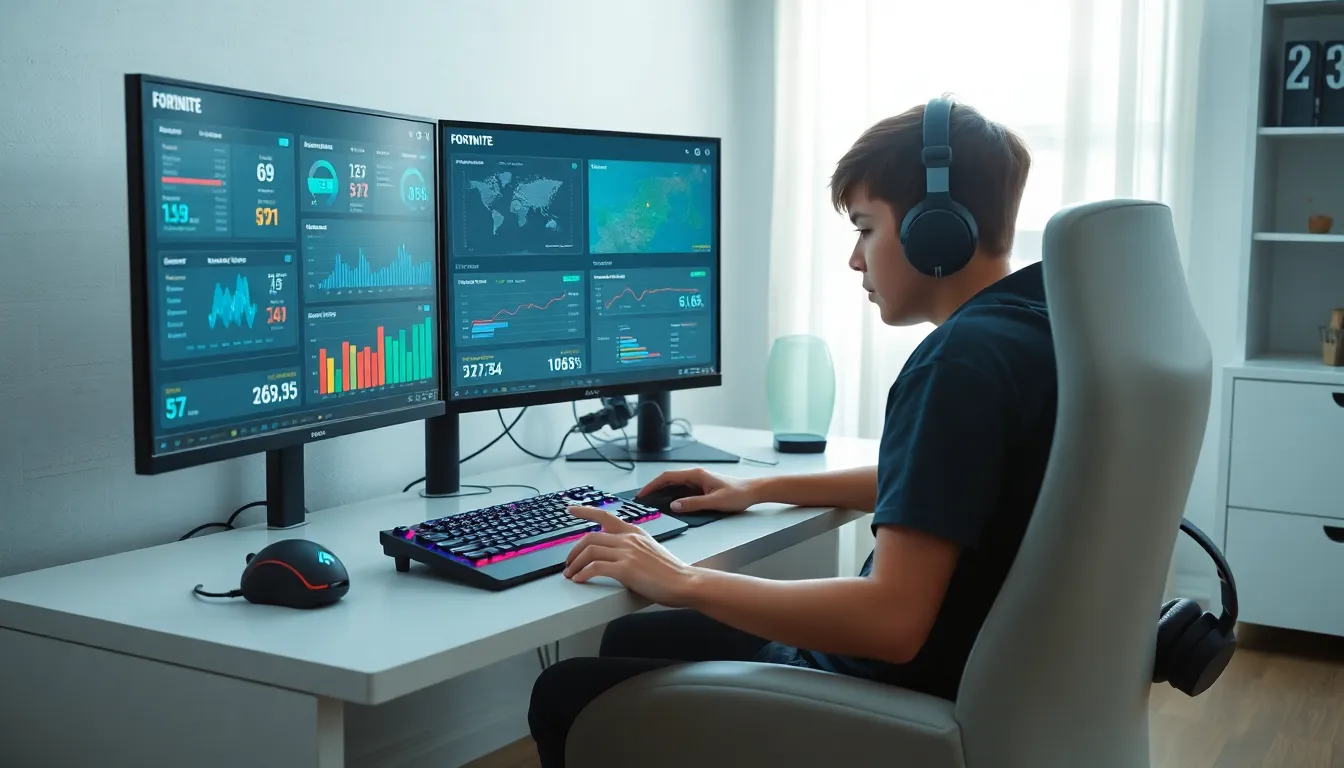
Stat trackers sit at the top of any list of essential Fortnite tools. These platforms pull data directly from Epic Games and display detailed breakdowns of a player’s performance. Sites like Fortnite Tracker and Stats.gg show win rates, kill/death ratios, average placement, and match history.
Why does this matter? Players can’t improve what they don’t measure. A stat tracker reveals patterns, maybe someone performs better in solo matches than squads, or their win rate spikes during certain hours. This data points toward specific areas that need work.
Performance analyzers go a step further. Some Fortnite tools record matches and highlight key moments like eliminations, deaths, and positioning errors. Players can review footage and spot mistakes they’d miss in the heat of gameplay. Did they push too aggressively? Did they ignore storm rotations? The footage tells the truth.
Many stat trackers also include leaderboards. Competitive players use these to benchmark themselves against regional or global rankings. It’s a simple way to gauge progress over time and set concrete goals.
Map and Strategy Planners
The Fortnite map changes every season, sometimes more often. Map-focused Fortnite tools help players stay current with POI locations, loot spawns, and chest placements. Websites like Lootlake.info and Fortnite.gg offer interactive maps that update with each patch.
These tools let players plan drop strategies before matches start. They can identify high-loot areas, find vehicle spawn points, and map out rotation paths to stay ahead of the storm. Smart drops lead to better loadouts, which lead to more wins.
Some strategy planners include heat maps showing where most eliminations happen. This data helps players avoid hot zones when they want safe games or seek them out when they’re hunting for action. It’s useful information for both casual players and those grinding ranked modes.
Squad players benefit too. Teams can coordinate drop locations and plan rendezvous points using shared map views. This preparation cuts down on confusion during the chaotic early game.
Sensitivity and Settings Calculators
Finding the right sensitivity settings frustrates many Fortnite players. Sensitivity calculators rank among the most practical Fortnite tools for this reason. They help players convert settings between games, match pro player configurations, or calculate optimal DPI and in-game sensitivity combinations.
Tools like Aiming.Pro and JSCalculator let players input their current settings and output equivalent values for different games. Someone switching from Apex Legends to Fortnite can keep their muscle memory intact by using the same effective sensitivity.
These calculators also provide access to pro player settings databases. Players can browse what sensitivity, keybinds, and video settings top streamers and esports competitors use. While copying settings won’t guarantee the same results, it offers a solid starting point for experimentation.
Beyond sensitivity, some Fortnite tools analyze input lag and suggest hardware optimizations. They recommend settings adjustments that reduce delay between player input and on-screen action. Even small improvements here create a smoother, more responsive experience.
Item Shop Trackers and Skin Databases
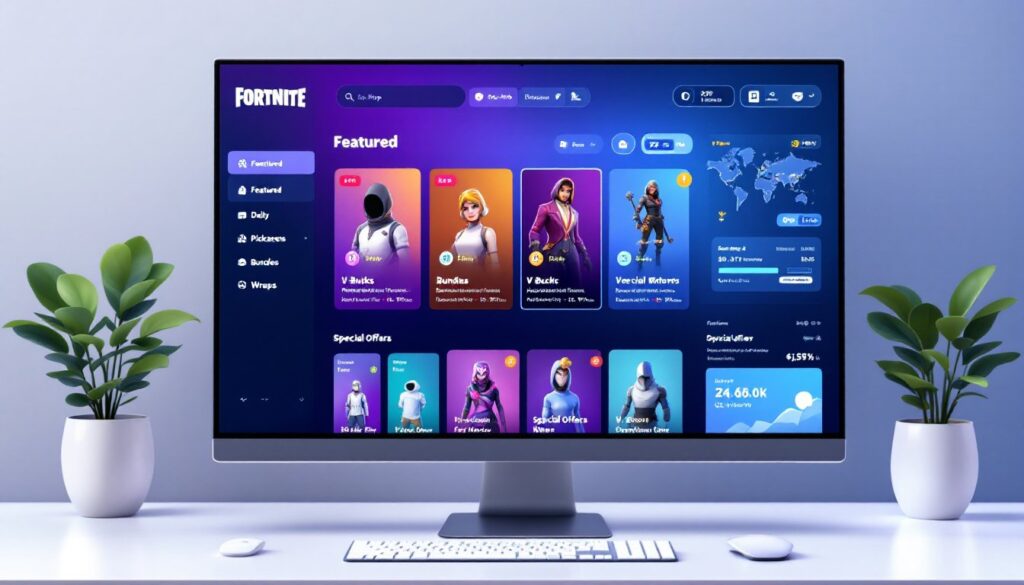
Cosmetics matter to Fortnite’s massive player base. Item shop trackers represent a popular category of Fortnite tools that monitor daily shop rotations and predict when specific skins might return.
Sites like FNBR.co and Fortnite.gg maintain complete databases of every skin, emote, glider, and pickaxe released. Players can search for items, check their last appearance in the shop, and estimate return dates based on historical patterns. Waiting for that one rare skin? These Fortnite tools make the process less frustrating.
Shop trackers also send notifications. Players sign up for alerts on specific items and receive messages when those cosmetics appear. No more checking the shop every day, the tracker handles it.
Some databases include rarity rankings and community ratings. Players discover which skins are genuinely rare versus which ones just feel exclusive. This information helps collectors prioritize their V-Bucks spending and build unique lockers.
Creative and Building Practice Tools
Building separates good Fortnite players from great ones. Creative mode practice tools help players master this core mechanic faster than grinding regular matches alone.
Map code directories like Dropnite and FortniteCreative.gg catalog thousands of practice islands. Players find aim trainers, edit courses, box fight arenas, and 1v1 maps, all created by the community. Each map targets different skills. Someone struggling with edits can load a dedicated course and practice for hours without queue times.
Some Fortnite tools track building speed and accuracy. They measure how fast a player completes specific techniques like 90s, tunneling, or high-ground retakes. This data shows improvement over practice sessions and identifies weak points.
Aim trainers deserve special mention. External programs like Aim Lab and Kovaak’s offer Fortnite-specific scenarios. These tools drill flick shots, tracking, and target switching in controlled environments. Many pro players credit these programs for their mechanical skill development.
Combining creative practice with stat tracking creates a feedback loop. Players practice specific skills, play matches, review stats, and adjust their training focus accordingly.