Table of Contents
ToggleFortnite’s 2026 season is packed with some of the most anticipated cosmetics in recent years. From Viking-themed mythic bundles to music festival collaborations, the new skins coming this season represent a mix of lore-driven storytelling and celebrity partnerships. Whether you’re hunting for the next meta-shifting cosmetic or just want something that looks incredible in the locker, understanding what’s available and how to get it makes all the difference. This guide breaks down every notable new skin, how to unlock them, and which ones are actually worth your V-Bucks.
Key Takeaways
- Fortnite’s 2026 season introduces 11 new skins across multiple acquisition methods, including the Norse mythology-themed Path to Ragnarok bundle and Laufey Festival collaboration cosmetics.
- New Fortnite skins are unlocked through Battle Pass progression, Item Shop rotations, bundles, or limited-time events, each offering different value and flexibility for players.
- The Path to Ragnarok bundle (Hels, Brunhild, Thor Odinsson) stands out as the top-tier cosmetic set, delivering solid visual variety and better V-Buck efficiency than individual skin purchases.
- Competitive players should prioritize slimmer-silhouette skins with minimal effects, while casual players can prioritize aesthetic appeal and reactive cosmetics for creative gameplay.
- Icon-series and established franchise collaboration skins age slower than trend-based cosmetics, making them safer long-term investments for your locker.
- Fortnite’s rarity system signals cosmetic detail and acquisition difficulty but doesn’t affect gameplay performance, so choose skins based on personal preference and competitive visibility rather than rarity tier.
What’s New in Fortnite Skins This Season
Chapter 7, Season 2 brought significant updates to Fortnite‘s cosmetic lineup through v40.20 and beyond. Epic Games is rolling out 11 new skins across multiple acquisition methods: Item Shop rotations, exclusive bundles, Save the World rewards, and collaboration events.
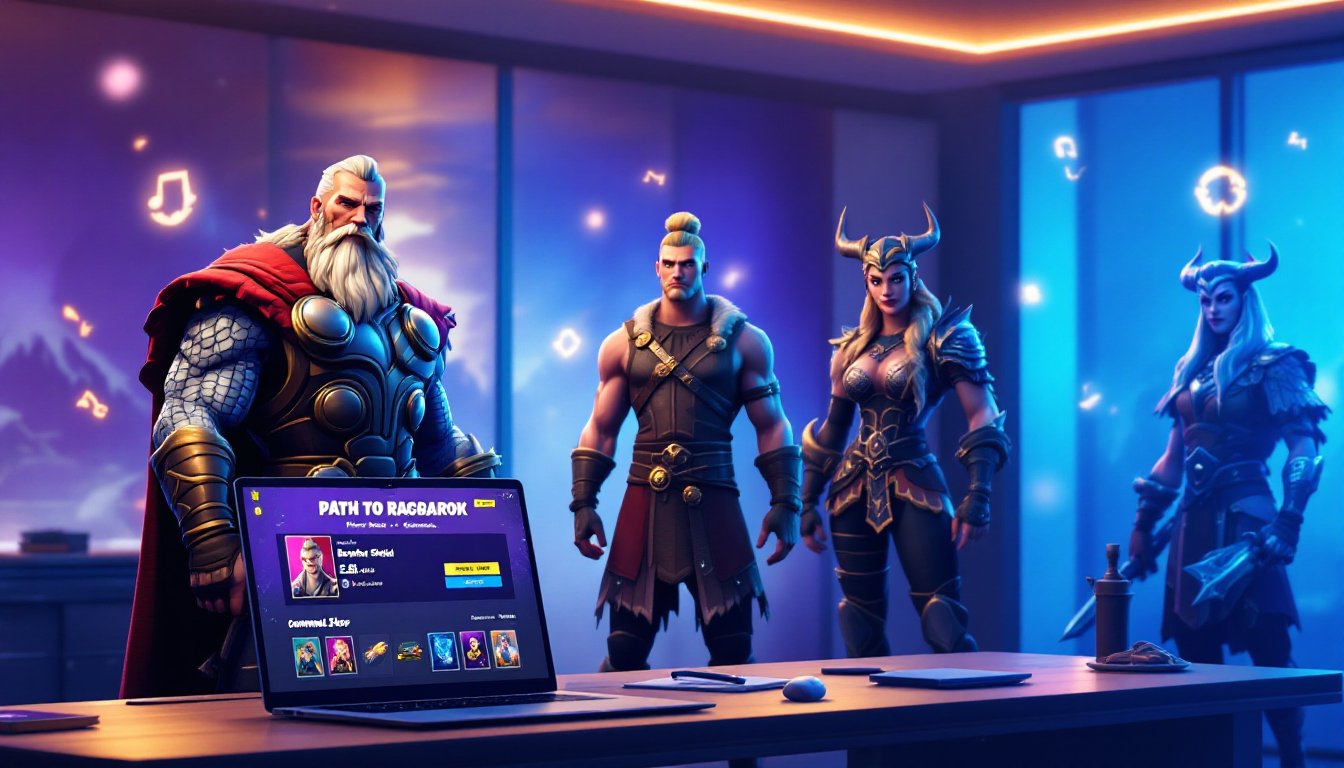
The Path to Ragnarok bundle is the headline here, a three-skin set featuring Hels, Brunhild, and Thor Odinsson. These cosmetics tap into Norse mythology and deliver on the mythic aesthetic that’s dominated Fortnite‘s recent battle pass themes. Each skin in the bundle comes with distinct silhouettes and color schemes, making them visually distinct even though sharing a thematic foundation.
The Laufey Festival collaboration adds Lover Girl Laufey and White Dress Laufey, tying into Fortnite’s expanding music event lineup. These skins represent the newer cosmetic skins that are thematically linked to seasonal events rather than purely lore-based battle pass rewards.
Other confirmed additions include the Triple Threat bundle (Sommerset, Reddysh, Moxie), Jess from Save the World, Dueling Dragon’s Jackie, and KD Rattical. Leaked content from v40.40 hints at Overwatch-themed cosmetics, Lego Batman crossovers, Mandalorian pen-and-ink styled skins, and Ratatouille collab pieces, though these aren’t yet live.
How to Unlock the Latest Fortnite Skins
Battle Pass vs. Item Shop Skins
Fortnite’s cosmetic acquisition splits into two primary paths: Battle Pass and Item Shop.
Battle Pass skins unlock through seasonal progression. You earn XP by completing matches, challenges, and quests, then spend that XP to level up your pass and claim locked cosmetics. The upside is stability, you know exactly what you’ll get, and most Battle Pass skins never return to the shop. The downside is you’re locked into that season’s theme and art direction. Once the season ends, you can’t go back and grab missed cosmetics unless Epic re-rotates them (rare for BP-exclusive items).
Item Shop skins are direct purchases using V-Bucks. They rotate every 24 hours, meaning featured skins change daily and return periodically based on Epic’s algorithm. This makes them more flexible, you can hunt for specific cosmetics across multiple seasons. But, there’s no guarantee when a skin returns, and prices are fixed (no discounts for owning similar skins).
Other acquisition methods include bundles (discounted multi-skin packages), Save the World rewards, and limited-time event quests. For example, Jess is free after earning 350,000 XP in Save the World. The Laufey Festival skins are partially available through the monthly Crew subscription, which locks cosmetics behind a recurring fee but includes monthly V-Buck stipends.
When anime meets battle My Hero Academia Fortnite collab. These collaborations drive cosmetic availability windows and often correlate with Item Shop features or limited-time bundle drops.
Top-Rated New Skins Worth Getting
Not all new skins carry equal hype or longevity in the community. Here’s what’s worth prioritizing:
Path to Ragnarok Bundle (Hels, Brunhild, Thor Odinsson) stands out as the marquee cosmetic set this season. The three-skin bundle offers solid variety in silhouette and design, with Thor being the standout for competitive players, a bulkier frame compared to slimmer skins, but iconic enough to justify the cosmetic slot. Bundle pricing typically undercuts buying skins individually, making this the best V-Buck efficiency play.
Lover Girl Laufey and White Dress Laufey align with Fortnite’s music collaboration strategy. Laufey’s presence ties into the Fortnite Festival event structure, so these cosmetics carry cultural relevance beyond pure aesthetics. If music events are a draw for you, these justify the purchase.
Sommerset from the Triple Threat bundle deserves mention as an icon-series styled skin. Icon skins maintain consistent appeal across the community due to their simplified, avatar-like aesthetic. They rarely look dated, making them safe long-term additions to your locker.
For more established collab context, the Regular Show Fortnite crossover demonstrates how cartoon tie-ins maintain community relevance. The approach Epic uses for celebrity and franchise collabs tends to follow similar patterns, high initial hype, limited-time availability, and periodic returns.
Rarity Tiers and Cosmetic Quality
Fortnite’s rarity system doesn’t affect gameplay but signals cosmetic detail level and acquisition difficulty. The standard tiers are:
- Common (Gray): Basic models with minimal effects
- Uncommon (Green): Standard cosmetics with small design touches
- Rare (Blue): Solid mid-tier skins with distinct silhouettes
- Epic (Purple): Higher detail, custom effects, and alternate styles
- Legendary (Orange): Premium cosmetics with extensive detail work and reactive mechanics
Beyond rarity, Fortnite categorizes skins by IP: Icon Series (celebrities), Marvel, Star Wars, Gaming Legends, anime collaborations, and original cosmetics. Path to Ragnarok skins likely fall into Epic or Legendary rarity due to their thematic significance and the bundle pricing.
Here’s the critical note: rarity is cosmetic only. A gray skin performs identically to a legendary in actual gameplay. Your choice should reflect personal preference and visibility in competitive matches, not supposed performance advantages. That said, higher-rarity cosmetics typically offer cleaner designs and less visual clutter, which some competitive players prefer for maintaining focus.
Tips for Choosing the Right Skin for Your Playstyle
Your skin choice should align with how you play. Here’s the framework:
For Competitive Players: Prioritize smaller hitbox silhouettes and minimal visual effects. Slimmer skins are harder to track when strafing and less visually distracting when ADS-ing. Avoid bright primary colors (hot pink, neon yellow) that make you easier to spot at range. Skins like Sommerset or sleek icon-series cosmetics excel here.
For Creative and Casual Play: Pick skins you genuinely enjoy looking at. Reactive cosmetics (skins that change appearance mid-match) add flair in non-competitive modes. Collab skins like the Laufey cosmetics carry cultural value if you’re invested in the artist. Theme coherence matters less when you’re not fighting for kills.
For V-Buck Efficiency: Bundles crush individual skin pricing. A three-skin bundle often costs less than two standalone cosmetics. Battle Pass skins, even if you only like one or two, deliver 5+ cosmetics per season for a single $10 investment, making them the best long-term value.
For Long-Term Relevance: Icon-series skins age slower than trend-based cosmetics. The Billie Eilish Fortnite icon skin exemplifies this, celebrity skins maintain appeal because they’re tied to recognizable personalities rather than seasonal trends. If you want a cosmetic that won’t feel dated in six months, lean toward icon series or established franchise collaborations.
Research current meta loadouts on IGN’s Fortnite guides to see what pro players are running. Their skin choices often reflect competitive viability and visual clarity in high-stress gameplay.
Conclusion
Fortnite’s 2026 cosmetic lineup emphasizes mythology, music collaborations, and icon-series cosmetics. The Path to Ragnarok bundle dominates the conversation, while Laufey Festival and collab skins offer diverse acquisition pathways. Whether you prioritize competitive performance, aesthetic appeal, or V-Buck efficiency, understanding the difference between Battle Pass, Item Shop, and bundle cosmetics ensures you’re making informed purchases. Check seasonal updates and Dexerto’s free skin guides to maximize your locker without overspending, and remember: the best skin is always the one you actually want to wear.