Table of Contents
ToggleRarity in Fortnite isn’t just about how cool a skin looks, it’s about scarcity, exclusivity, and time. Some skins have become the holy grail of cosmetics because they’re literally impossible to obtain for most players today. Whether it’s a battle pass skin that never rotated back into the shop or a limited collab that only appeared once, certain Fortnite skins carry serious bragging rights. This guide breaks down what makes a skin rare, which cosmetics are genuinely out of reach, and why some of the most sought-after skins in the game remain untouchable nearly a decade into the battle royale.
Key Takeaways
- The rarest Fortnite skins are determined by availability, demand versus supply, player base size at release, and pop culture value rather than difficulty alone.
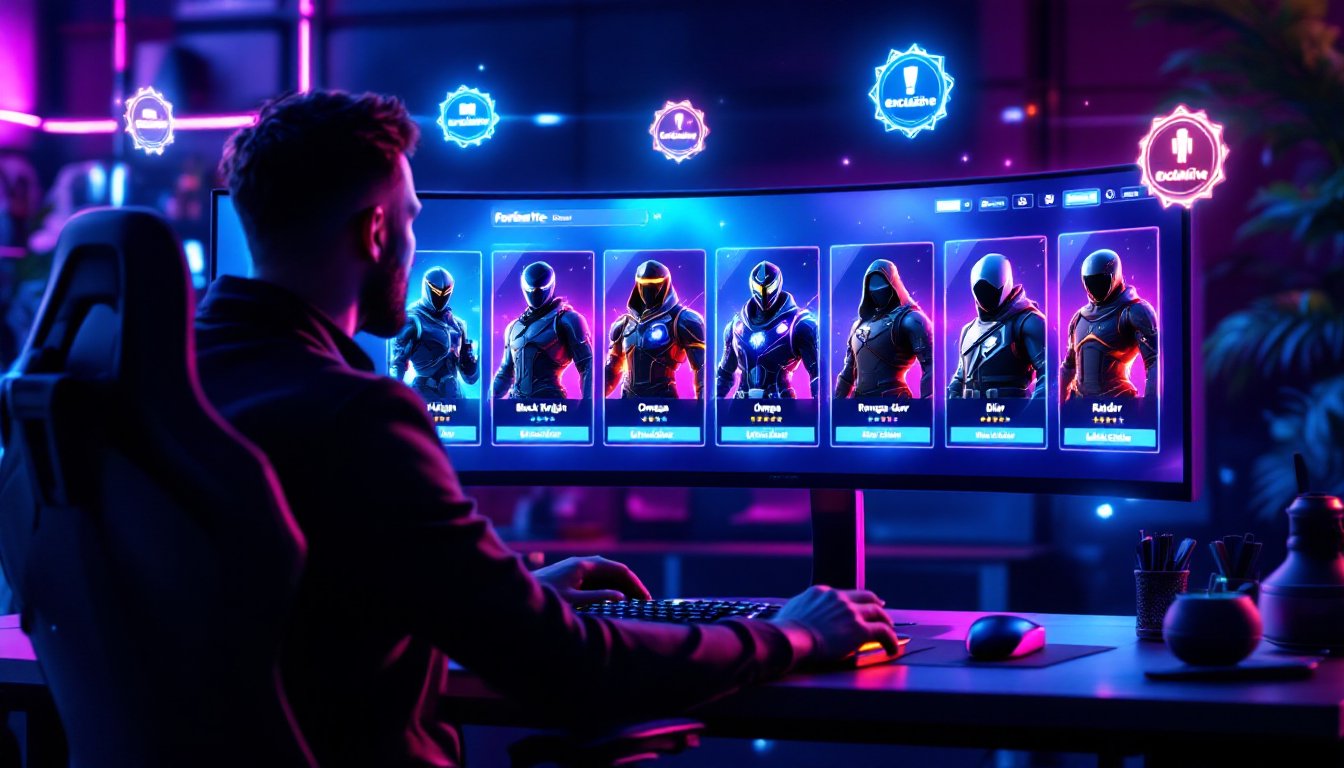
- Chapter 1 battle pass skins like Black Knight, Omega, and Dire are permanently unobtainable because Epic Games enforces a strict no-return policy for seasonal cosmetics.
- Early item shop releases such as Renegade Raider and Aerial Assault Trooper from Season 1 are the most sought-after skins since they launched when Fortnite had a fraction of its current player base and have never been restocked.
- Event-exclusive and collaboration skins occupy a rare middle ground, with unpredictable re-release schedules that can span years, making limited-time window cosmetics feel as exclusive as truly locked items.
- You can identify rare skins in-game by checking release dates (Seasons 1-5 are automatically rarer), spotting exclusivity markers like battle pass styles, and monitoring skins that haven’t appeared in the item shop for 500+ days.
What Makes a Fortnite Skin Rare
Rarity in Fortnite boils down to a few core factors. The primary driver is availability, skins that were only sold for a limited window or locked behind exclusive events become rare simply because new players can’t access them anymore. Battle pass skins from Chapters 1 and early Chapter 2 are textbook examples: once a season ends, that skin is gone forever.
Next is demand versus supply. Some skins never return to the item shop because they’re either event-exclusive, promotional, or tied to limited collaborations. A skin might not be technically “difficult” to obtain while it’s available, but the moment the window closes, it becomes rare by default.
Placement matters too. Skins that released before Fortnite’s massive popularity spike (Seasons 1-3) see fewer active players owning them compared to later seasons. The game had millions fewer concurrent players back then, so early cosmetics naturally have lower ownership rates.
Finally, cultural or pop culture value influences perceived rarity. Collaborations with major franchises like Star Wars, Marvel, or music icons create hype, but if they don’t return often, they become collectible. An up-to-date guide to the rarest Fortnite skins shows that demand often exceeds supply for these crossover cosmetics.
Chapter 1 Exclusive Skins and Why They’re Impossible to Get Now
Chapter 1 skins are the foundation of Fortnite rarity. These cosmetics dropped when the game had a fraction of its current player base, and almost none of them have rotated back into the shop since the chapter ended in November 2019.
Battle Pass Exclusives From the Early Seasons
Battle pass skins from Seasons 1-10 remain completely unobtainable. Unlike modern cosmetics, Epic Games has established a strict policy: battle pass cosmetics never return to the item shop, not even as re-releases. This means skins like Black Knight (Season 2), Omega (Season 4), and Dire remain locked to whoever paid for and completed those battle passes years ago.
Dire Fortnite represents one, with its werewolf transformation mechanic setting it apart. Players who reached the end of Season 6 got the ultimate flex.
Seasonal cosmetics from the item shop in Chapter 1 are equally rare. Skins released in Seasons 1-3 saw incredibly low purchase rates compared to modern releases because the game was smaller. So, seeing a player rock a Skull Trooper or Ghoul Trooper from that era signals either early adoption or serious collector status.
Zoey Fortnite, though technically from Season 4, captures that early-era aesthetic and exclusivity that newer skins don’t have. The nostalgia factor alone makes Chapter 1 cosmetics impossibly rare in today’s market.
Limited-Time Shop Releases That Never Returned
Some of Fortnite’s rarest skins aren’t from battle passes, they’re item shop releases that Epic Games released once and never brought back. This is where true rarity becomes problematic for collectors.
Renegade Raider (Season 1, Item Shop exclusive) and Aerial Assault Trooper (Season 1) are arguably the rarest cosmetics in the entire game because they hit stores when Fortnite was still a niche game. The monthly active user base in 2018 was a fraction of what it is today. These skins returned exactly zero times since their initial release.
Later releases like cosmetics tied to specific events or seasonal themes sometimes follow the same pattern. A skin released during a limited-time event in 2019 or early 2020 might be completely gone from rotation. Players who missed the window and want them now have zero options, no item shop restock, no battle pass re-release, nothing.
The key difference here is that these aren’t “technically exclusive.” They could theoretically return. But Epic Games’ rotation strategy has essentially shelved them. Whether intentional or oversight, skins that haven’t appeared in the shop for over 18 months feel as rare as truly limited cosmetics.
Wraps and pickaxes from those eras share the same fate. A Fortnite wrap released during a specific event might never come back, making it as rare as any skin to matching players who care about coordinated loadouts.
Event-Exclusive and Collab Skins Worth the Hunt
Collaboration skins occupy a weird middle ground in rarity. They’re often not permanently exclusive, some return, but when they do, it’s months or years apart, and with no guaranteed re-release schedule.
Travis Scott, Fortnite’s first major music collab, released during a live in-game concert event in 2020. Players who attended the event and bought the skin have it, but it hasn’t returned since. The exclusivity comes from the event window, not a permanent lock.
Miku Fortnite introduced the virtual idol crossover concept, and while collabs like this have been re-released before, the limited promotion windows make them feel rarer than typical shop skins.
Chun-Li Fortnite and other Street Fighter collabs came and went during specific promotion periods. These character cosmetics carry weight because they’re tied to franchise deals and licensing agreements that limit re-release frequency.
Seasonal Events and Reactive Cosmetics
Event-exclusive skins from seasonal story climaxes are another tier. Infinite Warfare, Marvel Nexus War, and similar story event cosmetics were tied to completing battle pass challenges during specific seasons. Some players missed events due to taking breaks or not playing that season, making these skins permanently out of reach.
Reactive skins, cosmetics that change appearance in real-time during matches, are rare because they’re often limited-time releases or battle pass exclusives. Billie Eilish Fortnite and the Icon Series have seen re-releases, but specific variants or styles are sometimes exclusive to their original event windows.
How to Identify Rare Skins in Your Lobby
Spotting a rare skin in-game takes practice, but knowing what to look for separates collectors from casual players.
First, check release date. Skins from Seasons 1-5 are automatically rarer than modern releases, simply due to smaller player base and lower adoption. If someone’s wearing an OG skin from 2018, the odds they’re a veteran are high.
Look for exclusivity markers. Battle pass skins have a specific visual style that differs from item shop cosmetics. Skins with lore-specific designs (tied to season story arcs) are harder to come by. Event cosmetics often have unique names or themes that tie them to specific storylines.
Pay attention to wraps and pickaxes. A player coordinating a rare pickaxe with a rare skin is flexing intentionally. These cosmetics have the same rarity constraints as skins.
Monitor no-restock patterns. Using resources like Twinfinite’s game guides and tier lists or community trackers can help identify skins that haven’t rotated back in years. If a skin hasn’t appeared in the item shop for 500+ days, it’s genuinely rare.
Collab skins are trickier because some return regularly while others vanish for long stretches. Midas Fortnite remains iconic even though being Chapter 2 Season 2, but its rarity is more about prestige than actual scarcity, it returns occasionally.