Table of Contents
ToggleThe Fortnite cosmetics market has exploded into a multi-billion dollar ecosystem, and players aren’t content to just buy what’s in the item shop anymore. Skin generators have become the go-to tool for anyone who’s ever imagined their own Battle Pass-worthy outfit but didn’t have Epic’s design team at their disposal. Whether someone’s sketching concept art for community contests or prototyping ideas to pitch directly to Epic, these tools have democratized skin design in ways that weren’t possible even a year ago.
But here’s the thing: not all skin generators are created equal, and there’s a lot of confusion about what these tools actually do, whether they’re safe to use, and if custom-created skins can ever make it into the actual game. This guide cuts through the noise and breaks down everything players need to know about Fortnite skin generators in 2026, from the mechanics behind them to the legal boundaries Epic Games has set.
Key Takeaways
- Fortnite skin generators are concept design tools that create visual mockups, not functional in-game files—they cannot inject unauthorized cosmetics into live accounts.
- Popular web-based skin generators like SkinStudio and FortDesigner offer browser-based design with drag-and-drop customization, while AI-powered tools can generate concepts from text prompts in seconds.
- Epic Games tolerates community skin concepts and has licensed fan designs into the item shop, with creators reportedly earning $5,000–$25,000 per accepted design plus portfolio exposure.
- Safe skin generator use requires avoiding red flags like credential requests, executable downloads, and scams promising free V-Bucks or instant legendary skins.
- Successful Fortnite skin concepts prioritize readable silhouettes, 3–4 complementary colors, iconic accessories, and thematic consistency that aligns with Fortnite’s stylized art direction.
- Aspiring game artists can build portfolios using generator-created designs and gain career opportunities by sharing polished concepts on social media and design platforms like ArtStation.
What Is a Fortnite Skin Generator?
A Fortnite skin generator is a design tool that lets players create custom outfit concepts without needing professional 3D modeling skills or access to Unreal Engine. These aren’t hacks or exploits that inject skins into the live game, they’re conceptual design platforms where users can visualize original character ideas using Fortnite’s aesthetic style.
Most generators work within a browser or mobile app, offering pre-built templates, color palettes, texture libraries, and accessory options that mimic Fortnite’s art direction. The output is typically a rendered image or 3D model preview, not a functional in-game file. Think of it like a character creator in an RPG, but focused purely on cosmetic design rather than gameplay stats.
The confusion around these tools stems from their name. “Generator” implies something gets added to the game, but that’s not how it works. These are concept visualization tools. Players design skins, export images or models, and share them with the community, or use them as portfolio pieces if they’re aspiring game artists. No generator can bypass Epic’s servers to add unauthorized cosmetics to a live account, and anyone claiming otherwise is running a scam.
How Fortnite Skin Generators Work
Online Skin Generator Tools
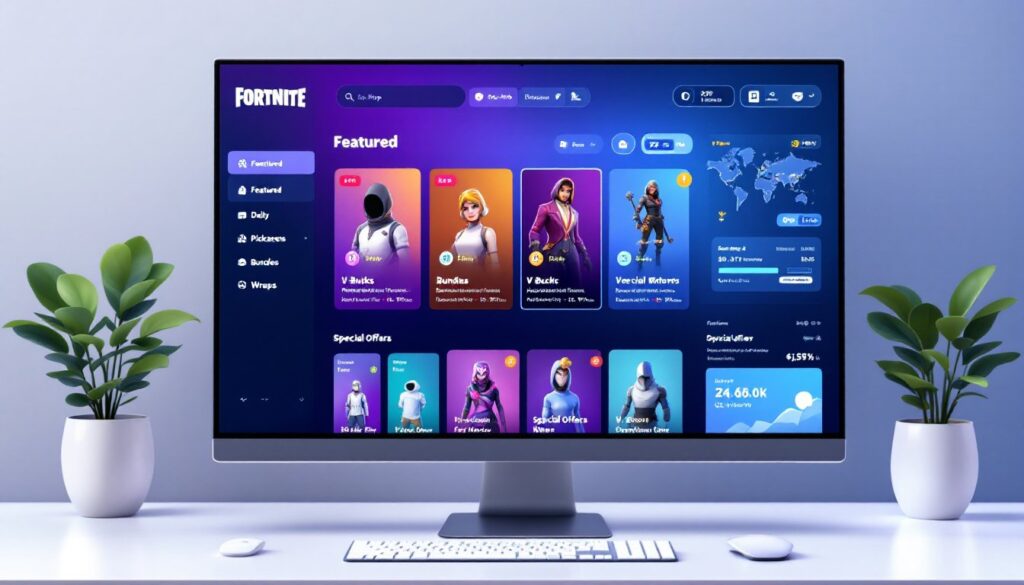
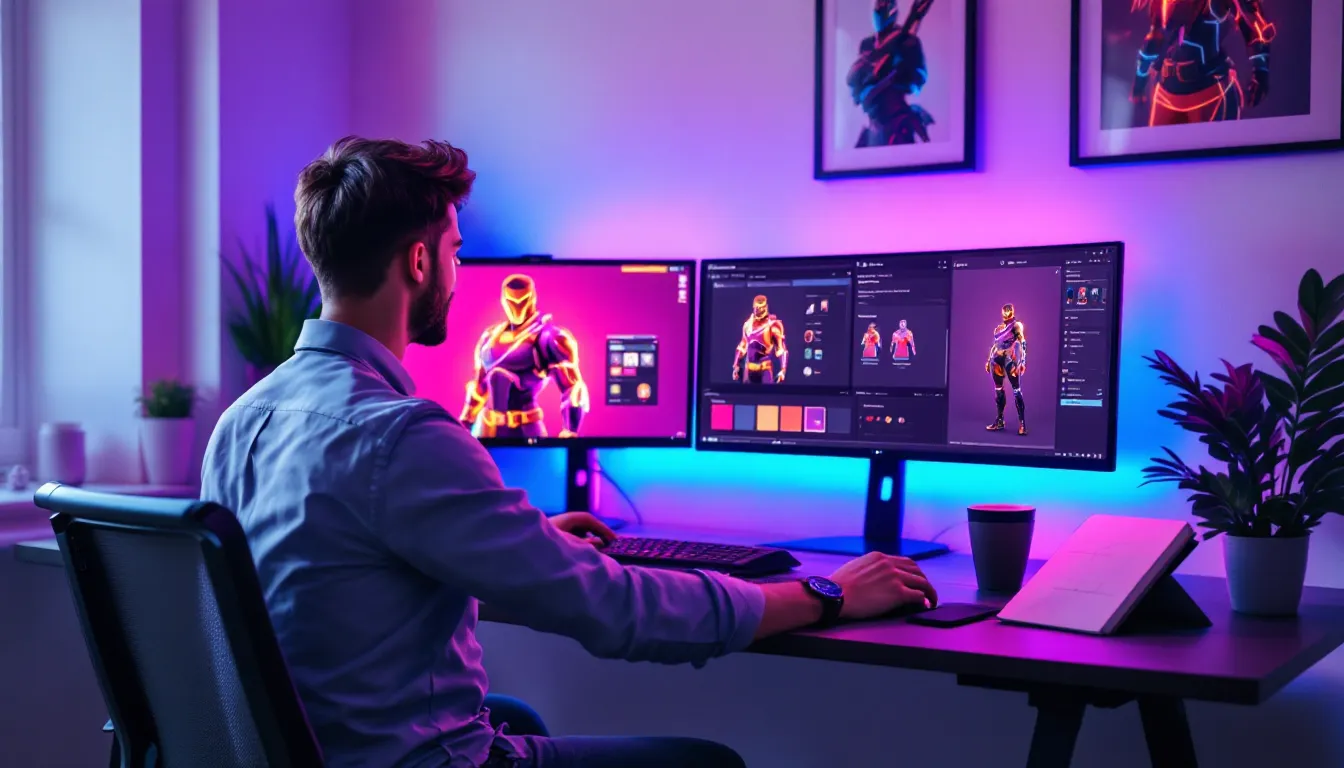
Web-based generators are the most accessible option and require zero downloads. These platforms use simplified 3D viewers and layer-based customization interfaces. Users start with a base character rig (typically modeled after Fortnite’s default body types), then apply pre-made assets like helmets, jackets, gloves, and back bling through a drag-and-drop system.
The rendering happens client-side in the browser, using WebGL or similar technologies to preview designs in real time. Most free tools limit texture resolution and export quality, while premium tiers unlock higher-res outputs and expanded asset libraries. Sites like these became popular in 2024 when several community-run platforms added AI-assisted color matching and pattern generation.
AI-Powered Skin Creation
AI generators entered the scene in late 2025 and changed the game completely. Instead of manually piecing together assets, users input text prompts, “cyberpunk ninja with LED armor” or “desert nomad with tribal patterns”, and the AI generates concept art in Fortnite’s style. Tools like these use diffusion models trained on thousands of existing Fortnite skins, official concept art, and community submissions.
The quality varies wildly. Early AI generators produced designs that looked off-brand or anatomically weird, but 2026 models have improved significantly. Some platforms even let users refine AI outputs by tweaking specific elements manually, blending the speed of AI with the control of traditional tools. The catch? AI-generated concepts are harder to translate into actual 3D models, since they’re just 2D illustrations rather than structured assets.
Concept Design vs. In-Game Implementation
This is the critical distinction most players miss. Skin generators create concepts, visual mockups, not functional game files. Fortnite skins are built in Unreal Engine with specific rigging, animation support, physics parameters, and performance optimization. A generated image doesn’t include any of that backend work.
Even if someone exports a 3D model from an advanced generator, it won’t have the bone structure needed for Fortnite’s emotes, the LOD (level of detail) variants required for performance across platforms, or the texture maps Epic’s shaders expect. Implementing a fan-made skin into the actual game requires Epic’s internal tools, approval process, and integration into the item shop backend. Generators are for inspiration and portfolio building, not for DIY item shop additions.
Top Fortnite Skin Generator Tools in 2026
Web-Based Skin Creators
SkinStudio remains the most popular browser-based option as of Chapter 5, Season 3. It offers a library of over 500 pre-modeled accessories, supports custom color hex codes, and includes a pose editor for dynamic previews. The free tier allows up to three exports per day at 1080p resolution, while the $4.99/month Pro plan unlocks 4K renders and removes watermarks.
FortDesigner launched in early 2026 and quickly gained traction for its collaborative features. Multiple users can work on the same skin concept simultaneously, making it ideal for creative teams or content creators who want community input. It’s browser-only, runs smoothly on mid-range hardware, and integrates directly with Discord for easy sharing.
ConceptForge targets more serious designers with its advanced material editor. Users can tweak metallic shine, fabric roughness, and subsurface scattering to match Fortnite’s exact shader style. It’s overkill for casual users but invaluable for anyone building a portfolio to submit to Epic or other game studios. The downside? It requires a beefy GPU and costs $9.99/month.
Mobile Apps for Skin Design
Outfit Maker for Fortnite (iOS and Android) dominates the mobile space with over 5 million downloads. The interface is optimized for touchscreens, with swipe gestures for rotating models and pinch-to-zoom for detail work. Asset quality is lower than desktop tools, but it’s perfect for sketching ideas on the go. Free with ads, or $2.99 one-time payment to remove them.
SkinLab Mobile launched in Q2 2026 and focuses on speed. Users can generate a basic skin concept in under two minutes using preset templates, then customize from there. It includes several essential resources for streamlining the design process, particularly for mobile-first creators. The AI suggestion feature analyzes current meta trends and recommends color schemes or themes that match popular styles.
Advanced 3D Modeling Software
For players with 3D modeling experience, Blender remains the gold standard. It’s free, open-source, and fully capable of creating game-ready assets if someone knows what they’re doing. Several community-made Blender add-ons specifically target Fortnite skin creation, including pre-rigged base models and material libraries that replicate Epic’s shader setup.
ZBrush is the industry choice for professional character artists. It handles high-poly sculpting for intricate details like armor etchings or fabric wrinkles that simpler generators can’t replicate. Export to FBX format, and the model can be imported into Unreal Engine for further refinement. Price tag: $39.95/month or $895 for a perpetual license. Only worth it if someone’s seriously pursuing game art as a career.
Maya and 3ds Max also work but are overkill unless someone already uses them professionally. Most hobbyists stick with Blender since it’s free and has a massive Fortnite modding community sharing tutorials and assets.
Step-by-Step Guide to Creating Your Own Fortnite Skin
Choosing Your Base Character Model
Start by selecting a body type that matches the vision. Fortnite uses several standard rigs: default male, default female, muscular, slim, and large. Most generators label these clearly, and the choice affects how clothing and accessories fit.
Default models are the safest bet, they’re what most skins in the item shop use, so accessories designed for them will fit properly. Muscular or large rigs limit accessory options since fewer assets are modeled to fit those proportions. If someone’s designing a bulky tank character or a sleek infiltrator, pick the rig first and build the concept around it.
Some advanced tools let users import custom base meshes, but that requires 3D modeling knowledge. For beginners, stick with the presets. The rig determines animation compatibility, and using a non-standard base means the skin won’t look right in emotes or victory poses.
Customizing Colors, Patterns, and Textures
Color selection makes or breaks a skin. Fortnite’s art style favors high contrast and bold saturation, muted, realistic palettes rarely work. Look at Legendary skins in the current Battle Pass for reference. They typically use 3-4 primary colors with sharp accent details.
Most generators include preset color schemes (“Fiery,” “Ocean,” “Toxic,” etc.) that work well together. If someone’s going custom, use a color wheel to pick complementary or triadic combinations. Avoid using more than five distinct colors unless going for a deliberately chaotic design like Peely or Fishstick.
Patterns and textures add depth. Camo, hex grids, circuitry, scales, and tribal markings are popular choices. Layer them carefully, too many competing patterns create visual noise. Metallic and matte finishes should contrast: an all-chrome skin looks flat, but chrome accents on matte black armor pop. Many tools now include creative approaches to visual design that help balance aesthetic complexity.
Adding Accessories and Details
Accessories define a skin’s personality. Helmets, masks, goggles, shoulder pads, belts, holsters, and back bling all contribute to the silhouette. Fortnite prioritizes readable silhouettes even at distance, players need to identify opponents quickly during firefights.
Start with the head. Face coverage affects how expressive the skin feels. Full helmets suit military or sci-fi themes, while open faces work for casual or humorous designs. Add one or two standout features: LED visor, animal ears, a unique hairstyle.
Torso accessories should enhance the theme without cluttering. A tactical vest makes sense for a soldier skin: a leather jacket fits a biker. Avoid symmetry overload, asymmetrical designs (one shoulder pad, a single armband, holster on one hip) create more visual interest.
Back bling is optional in generators but crucial if the concept ever gets submitted to Epic. Most skins in the item shop include back bling, and designs without it feel incomplete. Match the style, tech skins get drones or holo-displays, fantasy skins get shields or capes.
Exporting and Sharing Your Design
Once the design is finalized, export at the highest resolution the tool allows. PNG format with transparency is ideal for sharing on social media or design portfolios. If the generator supports 3D export (OBJ or FBX files), grab that too, it’s useful for further editing in Blender or for 3D printing.
Most platforms include built-in sharing to Twitter, Instagram, or Reddit. Tag designs with #FortniteConcepts or #FortniteArt to reach the community. Epic Games employees occasionally browse these tags looking for talent or ideas to incorporate into future seasons.
For serious submissions, create a multi-angle presentation: front, back, side views, plus a posed render showcasing the skin’s personality. Include a brief description of the theme and any special features. Some designers even mock up item shop listings with rarity tier, pricing, and a fictional backstory.
Are Fortnite Skin Generators Safe and Legal?
Epic Games’ Official Stance on Custom Skins
Epic Games has never officially endorsed third-party skin generators, but they haven’t shut them down either. Their Terms of Service prohibit modifying game files or using unauthorized software to alter gameplay, but concept design tools don’t violate that, they’re external creation platforms that don’t interact with Fortnite’s client or servers.
The company actively encourages fan art and community concepts. They’ve hired several skin designers who started by posting concepts on Twitter and Reddit. The Tender Defender skin (Chapter 1, Season 9) originated as a community concept that Epic licensed and implemented. Same with Bao Bros and a few other item shop entries.
What Epic doesn’t allow: tools claiming to inject custom skins into a live account, add V-Bucks, or unlock existing skins without purchase. Those are scams or cheats, and using them results in permanent bans. Legitimate generators only create concept art. If a tool asks for Epic account credentials, run.
Risks of Third-Party Generators
The biggest risk isn’t legal, it’s malware. Some sketchy “skin generator” sites are fronts for phishing, keyloggers, or cryptominers. Red flags include:
- Asking for Epic account username and password (legit tools never need this)
- Requiring executable downloads instead of running in-browser
- Promising in-game skins or V-Bucks as a result
- Excessive ads or redirects to suspicious domains
Stick to well-reviewed platforms with active communities. Check detailed breakdowns of tool legitimacy from trusted esports outlets before trying a new generator. If something seems too good to be true, free V-Bucks, instant Legendary skins, it’s a scam.
Another risk: copyright issues if someone tries to sell fan-made designs. Epic owns the Fortnite IP, and while they tolerate free fan art, selling custom skins or prints without a license can result in cease-and-desist letters. Generators are for personal use, portfolios, and community sharing, not commercial products.
Creative Uses for Generated Skin Concepts
Sharing Designs with the Community
The Fortnite community is massive, and talented skin designers can build significant followings by consistently posting quality concepts. Reddit’s r/FortniteFashion and r/FortniteBR see dozens of concept posts daily, and top designs regularly hit 10k+ upvotes.
Twitter is even bigger. Hashtags like #FortniteConcepts and #FortniteArt aggregate community creations, and Epic’s social media team actively monitors them. Several designers have reported direct messages from Epic staff asking for portfolio links or permission to use designs after a concept went viral.
Instagram and TikTok work for visual showcases, especially if someone creates time-lapse videos of the design process. Short-form content showing a skin concept evolve from sketch to final render performs well algorithmically. Some creators have built entire brands around Fortnite concept art, eventually landing commissions or partnerships.
Submitting Concepts to Epic Games
Epic doesn’t have a formal submission portal, but they’ve publicly stated they review community concepts. The best approach: build a portfolio on ArtStation or Behance showcasing multiple skin designs, then share it on social media and tag @FortniteGame or relevant Epic employees.
Focus on polish. Epic receives thousands of concepts daily, so only the most professional submissions get attention. Multi-angle renders, clean presentation, and cohesive themes that fit existing Fortnite lore or seasonal events stand out. A Halloween concept submitted in September has better chances than a Christmas skin pitched in June.
Some designers work with trending styles and meta predictions to align concepts with upcoming seasons. Epic tends to favor designs that feel like natural extensions of current Battle Pass themes or collaborations. A concept that fits the next Marvel or Star Wars crossover is likelier to catch their eye than a completely random idea.
If Epic wants to use a design, they’ll reach out directly with a licensing offer. Terms vary, but community designers typically receive a flat fee (reportedly $5,000-$25,000 depending on complexity) and credit in the item shop description. The designer doesn’t get royalties on sales, but the exposure is significant.
Using Designs for Content Creation
YouTubers and Twitch streamers use skin generators for thumbnails, channel art, and hypothetical “what if” content. “Top 10 Skins That Should Be in Fortnite” videos frequently hit millions of views, and many feature generator-created concepts as visual aids.
Content creators also run community contests where followers submit skin concepts, then showcase the best designs in a video or stream. The generator makes it easy for non-artists to participate, democratizing what used to be a skill-gated activity. Some streamers even do live design sessions, building skins based on chat suggestions.
For aspiring 3D artists, skin generators serve as portfolio pieces when applying to game studios. Even though the concepts aren’t implemented in Fortnite, they demonstrate understanding of character design, color theory, and style consistency, all valuable skills in game development. Several junior artists at studios like Riot, Blizzard, and Epic itself got their start by showcasing Fortnite skin concepts during interviews.
Tips for Designing Popular and Unique Skins
Study what’s already popular in the item shop. Legendary skins that sell well typically share common traits: strong thematic identity, high-contrast color schemes, and standout accessories. Skins like Omega, Ice King, and The Foundation all have instantly recognizable silhouettes even in low-light combat scenarios.
Avoid generic designs. “Guy in hoodie” or “girl with ponytail” won’t stand out. Push concepts further, a hoodie made of living shadow, a ponytail that’s actually fiber optic cables, armor built from scavenged tech. Fortnite leans into stylized, almost cartoon-like exaggeration, so embrace that instead of trying for realism.
Theme consistency matters. A cyborg ninja shouldn’t have random medieval armor pieces unless there’s a deliberate “time traveler” or “multiverse” justification. Every element should reinforce the core concept. Players who understand fundamental gameplay strategies often apply the same systematic thinking to design, each piece serves a purpose.
Test readability by shrinking the render to phone-screen size. If the design becomes a muddy blur, simplify. Fortnite is played on everything from 4K monitors to mobile devices, so skins need to remain visually distinct at small scales. Bold shapes and high-value contrast (light vs. dark) help.
Consider emote compatibility. Fortnite’s goofier emotes like Floss or Orange Justice look ridiculous on overly serious, hyper-tactical skins. Conversely, a silly cartoon character looks weird doing Griddy or Take the L. The best designs work across the emote spectrum, balancing cool and comedic potential.
Incorporate subtle storytelling. The best Fortnite skins have implied backstories. Is this a wasteland scavenger? A dimension-hopping mercenary? A corrupted hero? Visual details like worn armor, glowing runes, or tactical patches suggest narrative without needing explicit text. Platforms like Game8 often analyze the meta-narrative behind popular skins when ranking design effectiveness.
Finally, timing matters. Seasonal skins perform better when pitched ahead of relevant events. Horror concepts in late summer for Fortnitemares, winter themes in early fall for the December season, tropical or beach designs before summer starts. Epic plans content months in advance, so early submissions have better chances.
Common Mistakes to Avoid When Using Skin Generators
Over-accessorizing is the most frequent beginner mistake. Piling on every cool helmet, shoulder pad, belt, and holster creates visual chaos. Less is more, pick 3-4 standout pieces and build around them. A single iconic accessory (Drift’s mask, Peely’s banana head, Meowscles’ muscles) defines memorable skins better than a dozen generic ones.
Ignoring color theory leads to clashing palettes that hurt to look at. Pure red and pure green might seem bold, but together they create harsh vibration. Use color wheel relationships: complementary colors for high contrast, analogous colors for harmony, triadic schemes for balanced variety. Most generators include palette presets for a reason, use them.
Copying existing skins too closely invites comparisons and highlights lack of originality. If a concept looks like a palette swap of John Wick or Ramirez, it won’t get traction. Reference existing skins for structural lessons but push the theme in new directions. “Tactical operator” is overdone: “tactical operator from underwater civilization” is fresh.
Neglecting the silhouette test means the design only works from certain angles. Rotate the model and check every view. A skin that looks amazing from the front but boring from the back fails, players see their own character’s back 90% of the time. Back bling, capes, or rear armor details are crucial.
Forgetting platform constraints results in designs too complex for Fortnite’s art style. If a concept requires photorealistic textures or hyper-detailed micromeshes, it won’t translate to Fortnite’s stylized aesthetic. Epic’s shaders favor clean shapes with painted-on details rather than geometric complexity. Study existing Legendary skins to understand the limits.
Skipping community feedback before finalizing a design misses valuable perspective. Share WIP renders on Discord servers or Reddit and ask for honest critique. Most Fortnite creative communities are supportive but will point out issues like unclear themes, color clashes, or accessory overload. Players who actively engage with advanced technique discussions often provide the best technical feedback.
Not exporting at high resolution ruins portfolio presentation. A pixelated, watermarked, 720p render looks amateur. Pay for premium tiers or use free tools that support high-res exports. If submitting to Epic or using designs for content creation, quality matters. Many resources on game-specific walkthroughs emphasize the importance of presentation quality in professional contexts.
Expecting instant implementation sets unrealistic expectations. Even if Epic loves a concept, implementation takes months. Skins go through concept approval, 3D modeling, texturing, rigging, animation testing, QA, and backend integration. Community skins that make it to the item shop typically appear 6-12 months after initial contact. Patience is essential.
Conclusion
Fortnite skin generators have evolved from simple dress-up tools into legitimate design platforms where creativity meets community. They won’t magically add custom skins to anyone’s locker, but they’ve opened doors for aspiring designers to visualize ideas, build portfolios, and occasionally catch Epic’s attention. The line between fan project and official cosmetic has blurred in fascinating ways as the player base grows more creative.
The tools are only as good as the designer behind them. Mastering color theory, understanding silhouette readability, and studying Fortnite’s distinct art style separate amateur concepts from professional-grade designs. With the right approach and persistence, a generator-made concept could become the next item shop hit, or at minimum, a solid portfolio piece for anyone eyeing a career in game art. Either way, the barrier to entry has never been lower for turning imagination into visual reality.